The IMPOSTER Journal
What Are Zero-Proof Spirits?
A zero-proof spirit is a spirit-inspired base designed to give a cocktail a recognizable flavor direction without using an alcoholic spirit as its foundation. Think botanical aroma in a G&T or woody spice in an Old Fashioned-style drink.
It is not simply a promise that every bottle tastes identical to the alcoholic version. The useful question is what it brings to the finished drink, and whether that matches the serve you want.
01
The base is not the whole drink
A base provides flavor and aroma; citrus, sweetener, ice, and mixers shape the balance. If the drink feels too sweet, adding more base is not always the answer. Start with a measured recipe, then change one component at a time.
Alcohol contributes sensations and changes how ingredients behave. A zero-proof recipe can need its own balance rather than a blind substitution. IMPOSTER suggests spirit-inspired use, not an exact replica in every recipe.
02
Read the label, not just the category name
Zero-proof, alcohol-free, and non-alcoholic language appears across products with different formulations. IMPOSTER describes its core lineup as 0.0% ABV. Check each current label, and do not assume that a mixer, extract, or bitters has the same alcohol content as the base.
Tasting notes are also different from ingredients. A vanilla note or an oak note tells you about flavor; it does not establish a complete ingredient list, an allergen claim, or a nutritional result.
03
Choose by the cocktail
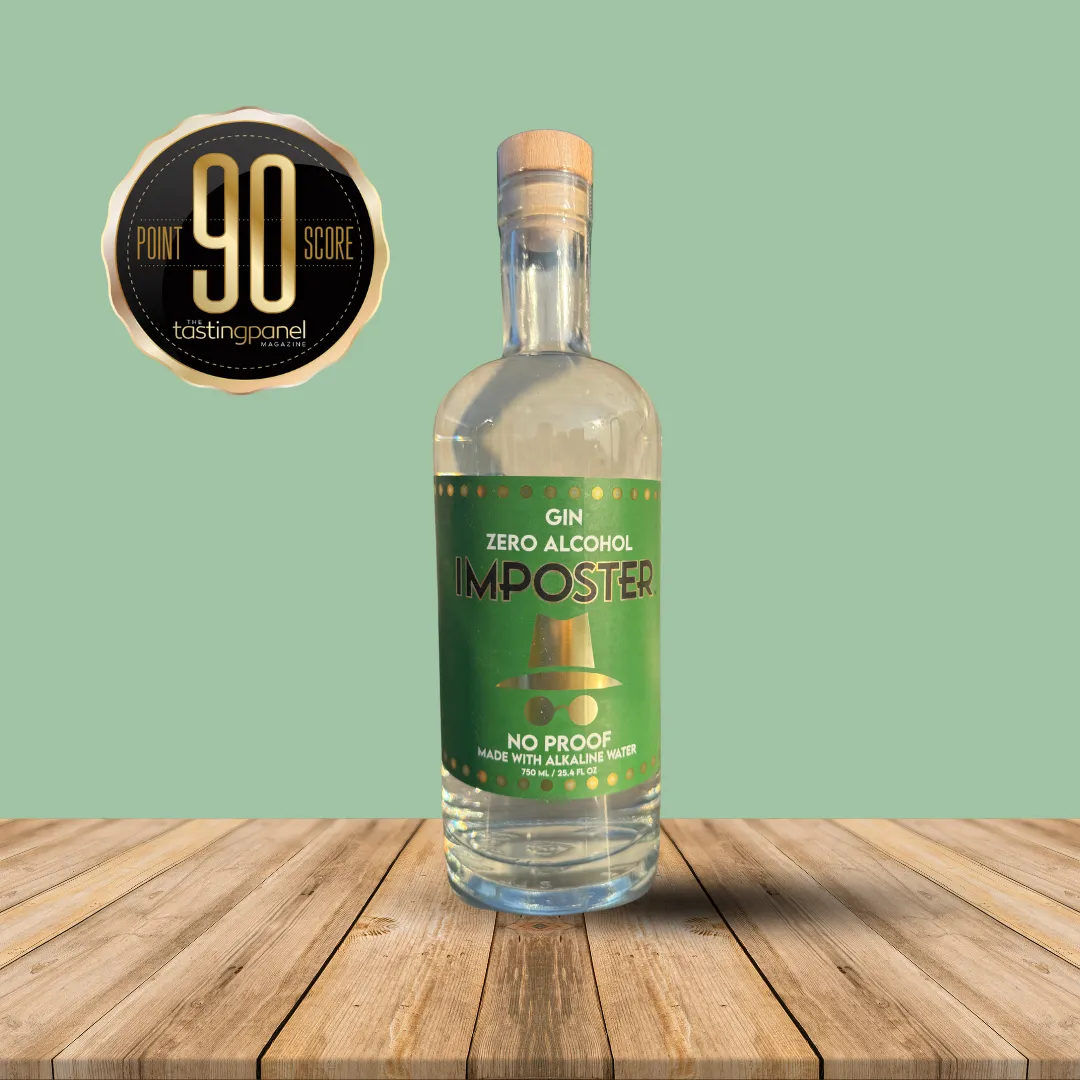
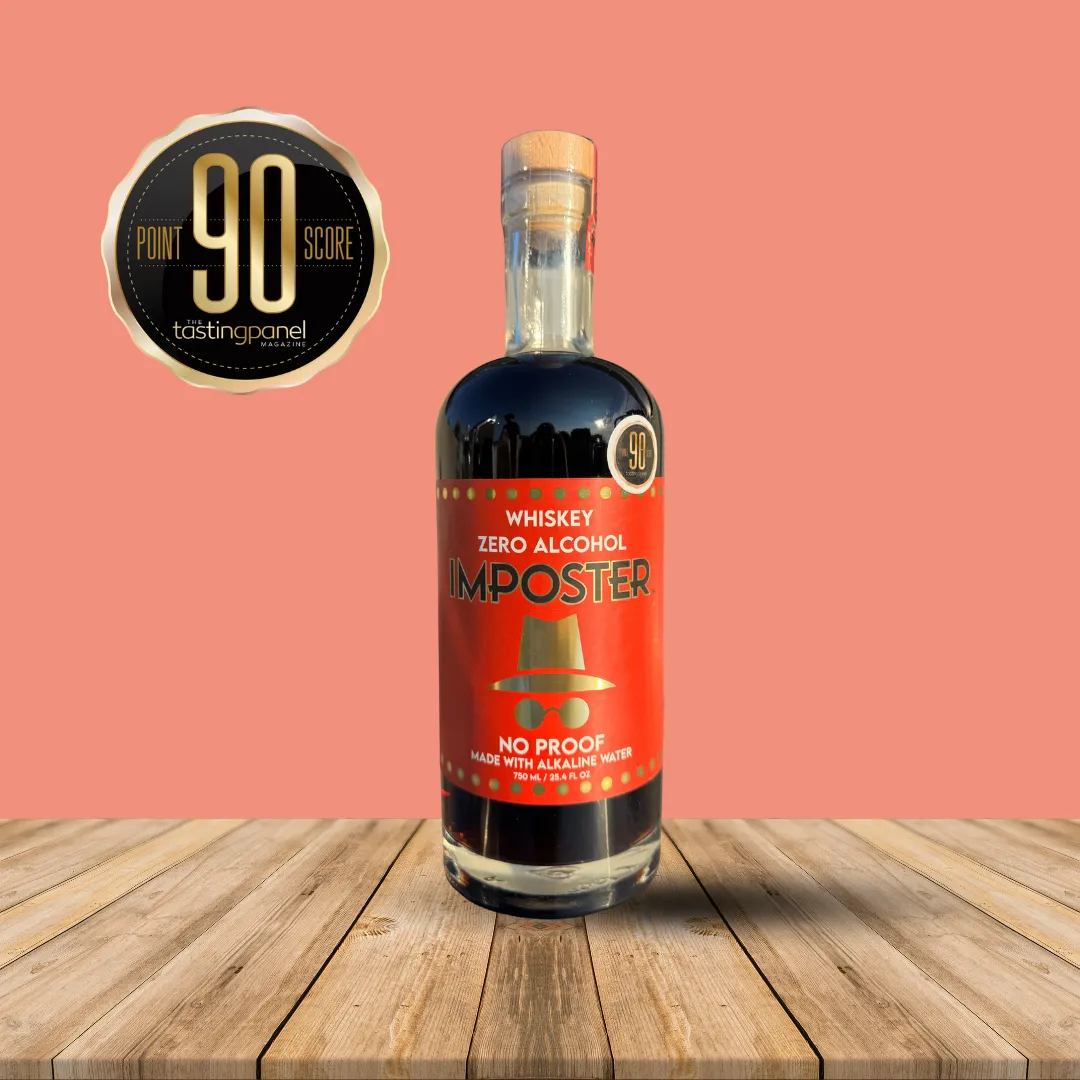
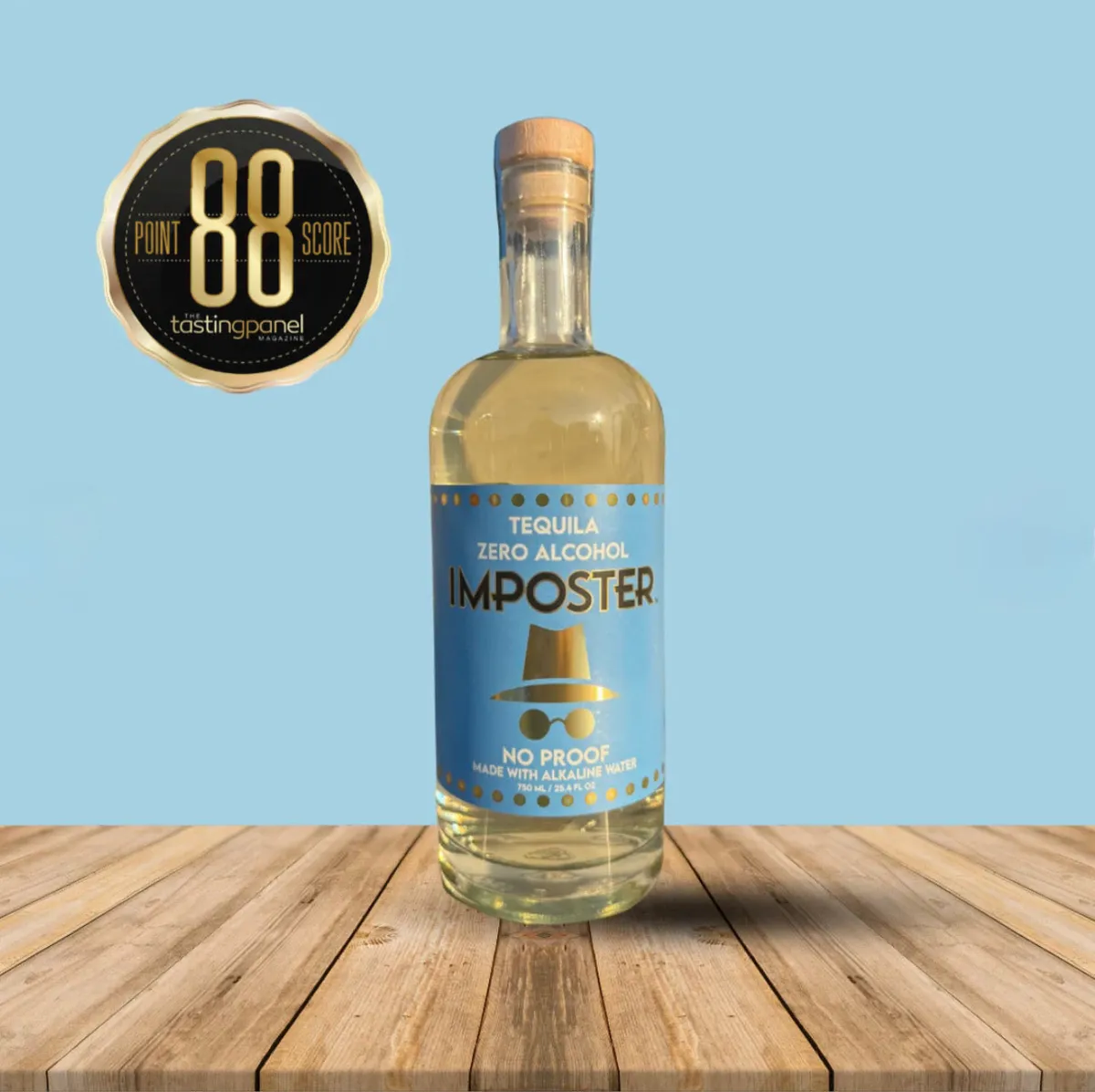
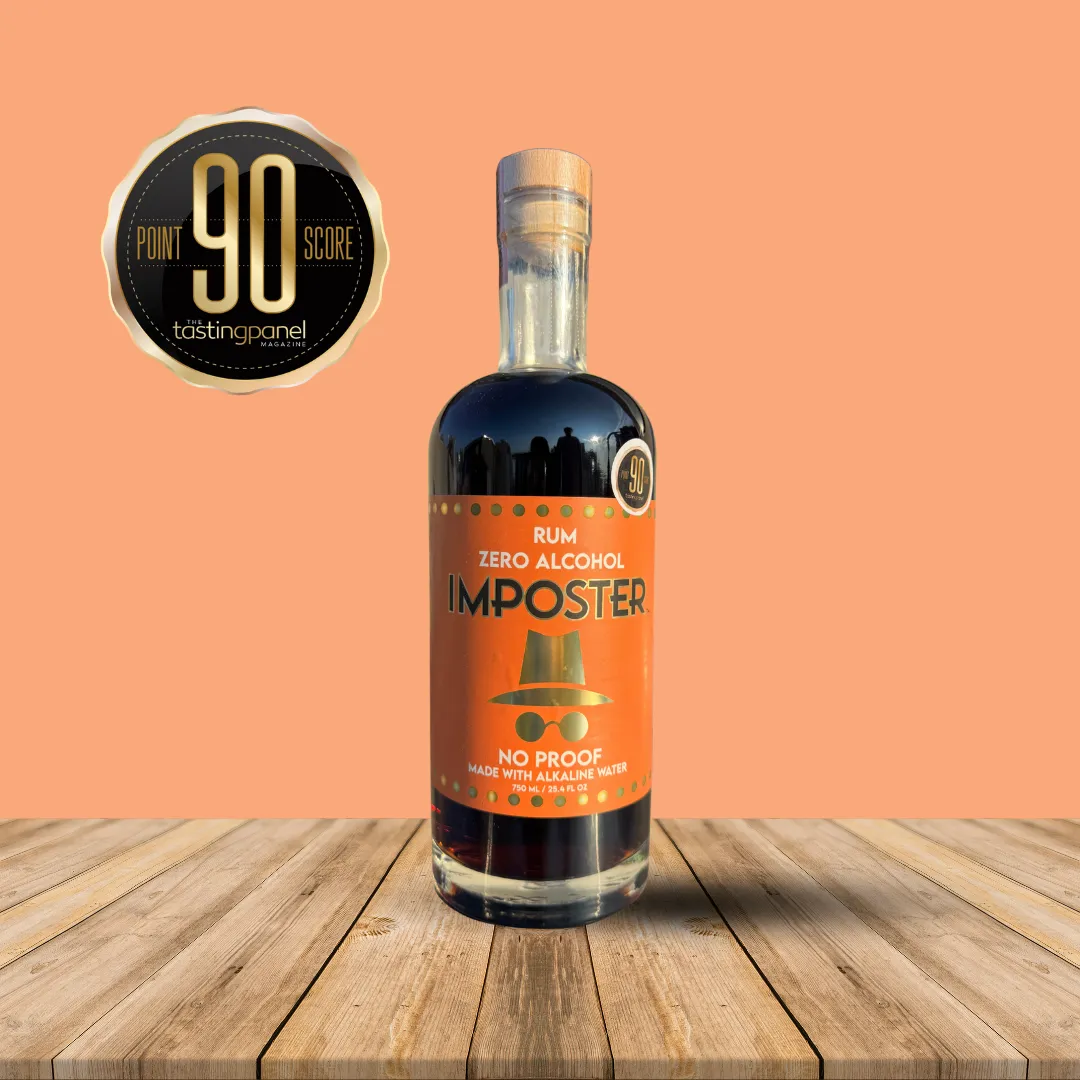
For tonic and a botanical direction, start with Gin. For citrus, salt, and spice, consider Tequila. For lime and tropical fruit, look at Rum. For woody, spiced stirred drinks or sours, choose Whiskey.
Buy for one or two recipes you intend to make. Check the product page for the current offer, then build the drink with fresh ice and a suitable glass. A small, useful home bar is better than a collection of unfamiliar bottles.
04
Choose your first drink by method
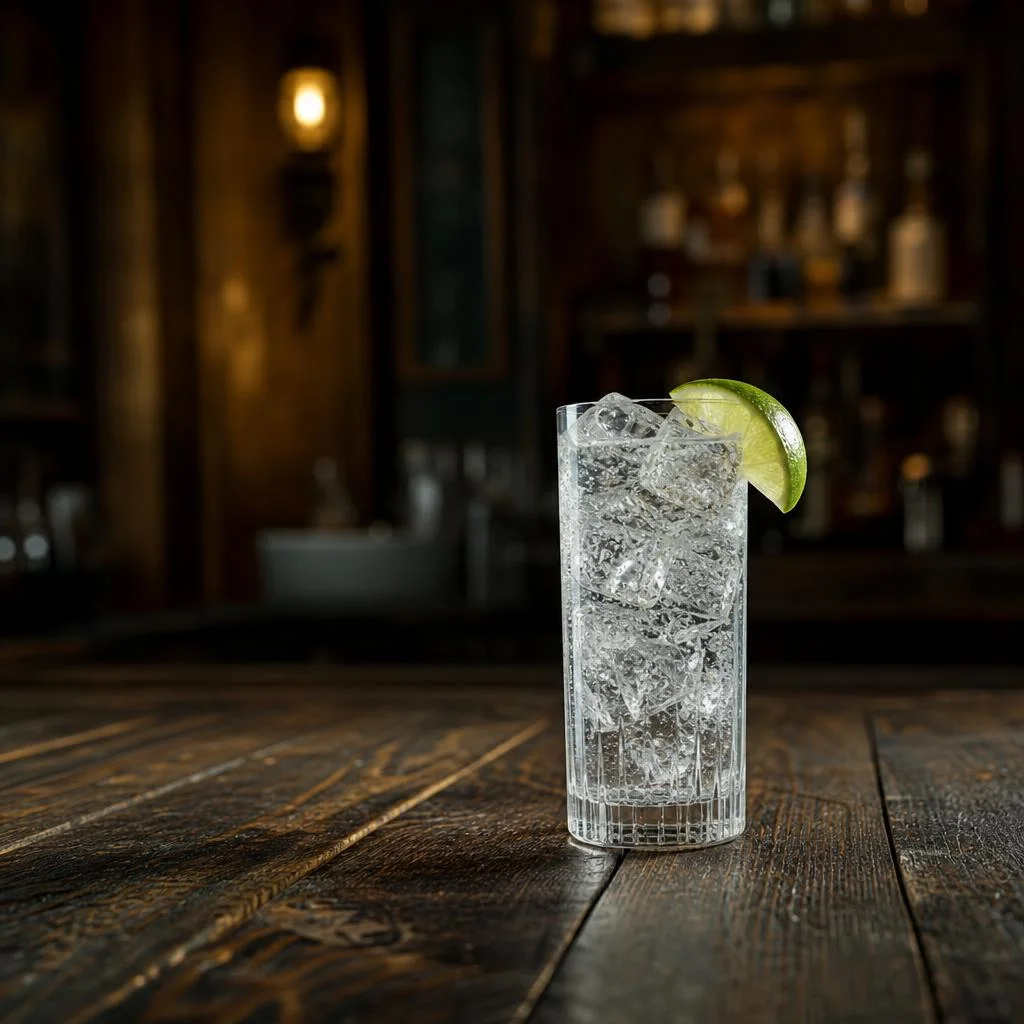
Start with the way you want to serve, then choose the flavor. A Gin and Tonic is built directly in an iced highball. A Daiquiri needs a shaker and strainer and is served in a coupe without serving ice. Both have short ingredient lists, but they ask for different tools and different preparation.
Use that distinction when buying your first bottle. If you already have tonic and a tall glass, Gin is a practical first direction. If you prefer lime-led drinks and have a shaker, explore Rum. Follow the complete recipe rather than borrowing quantities from a different cocktail.
Recipes to make
Gin & Tonic
A Gin & Tonic is a useful place to understand what the bottle and mixer each bring to a drink.
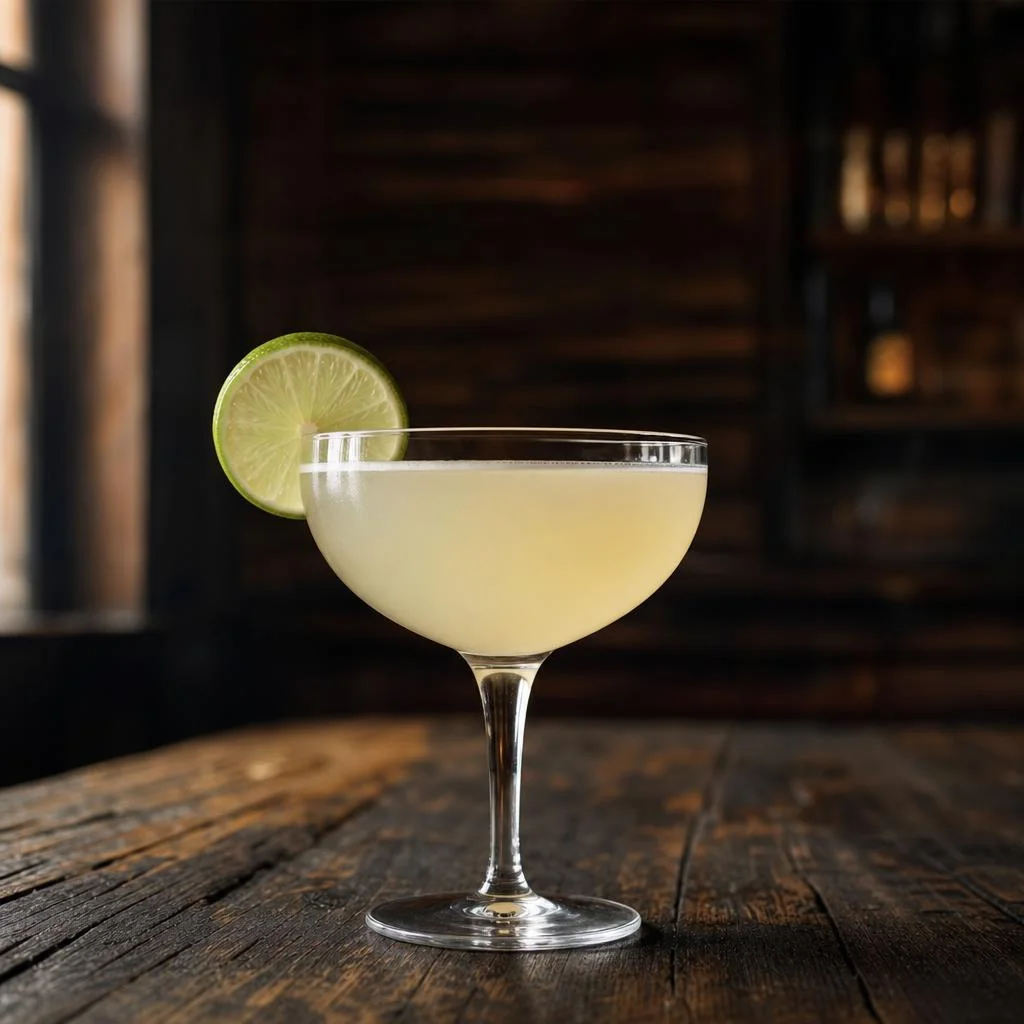
Daiquiri
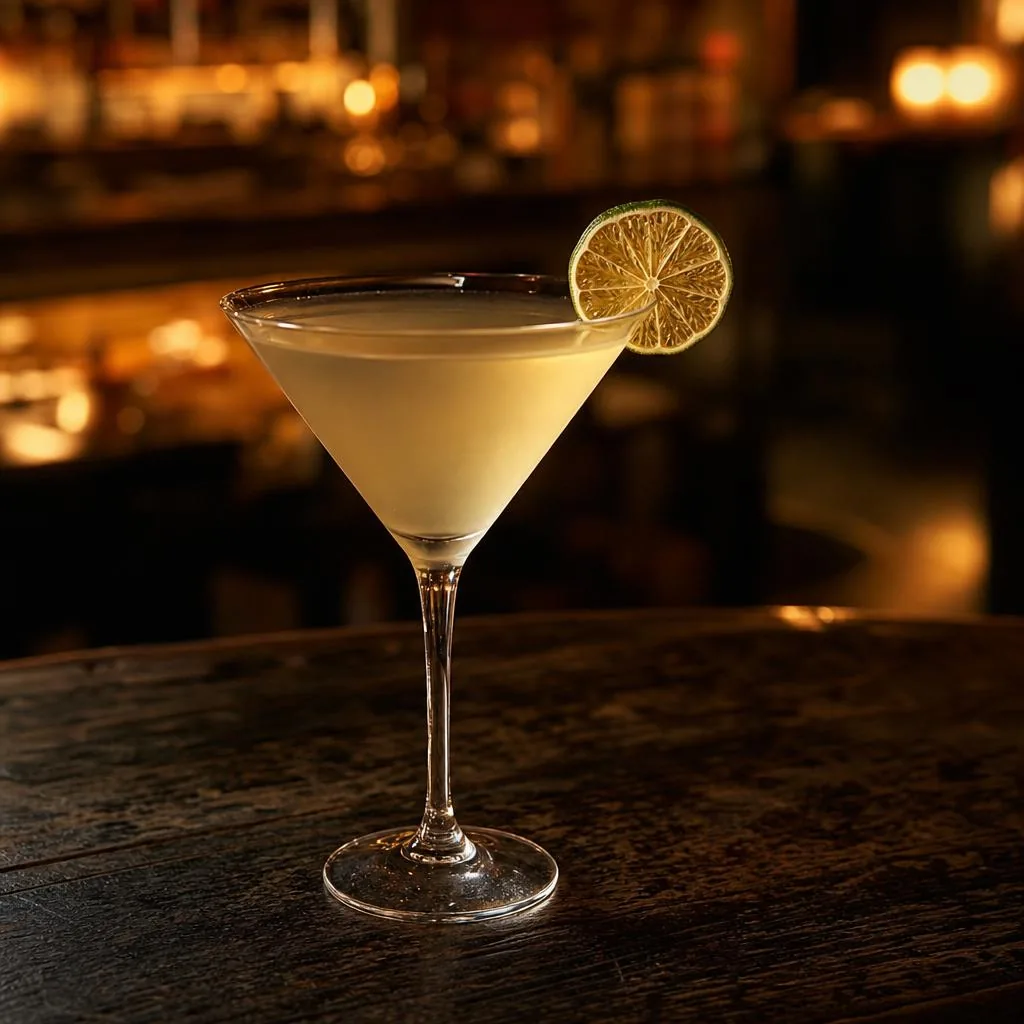
Daiquiri keeps the ingredient balance visible: IMPOSTER Rum, lime juice, and simple syrup, with no carbonated mixer or fruit purée.
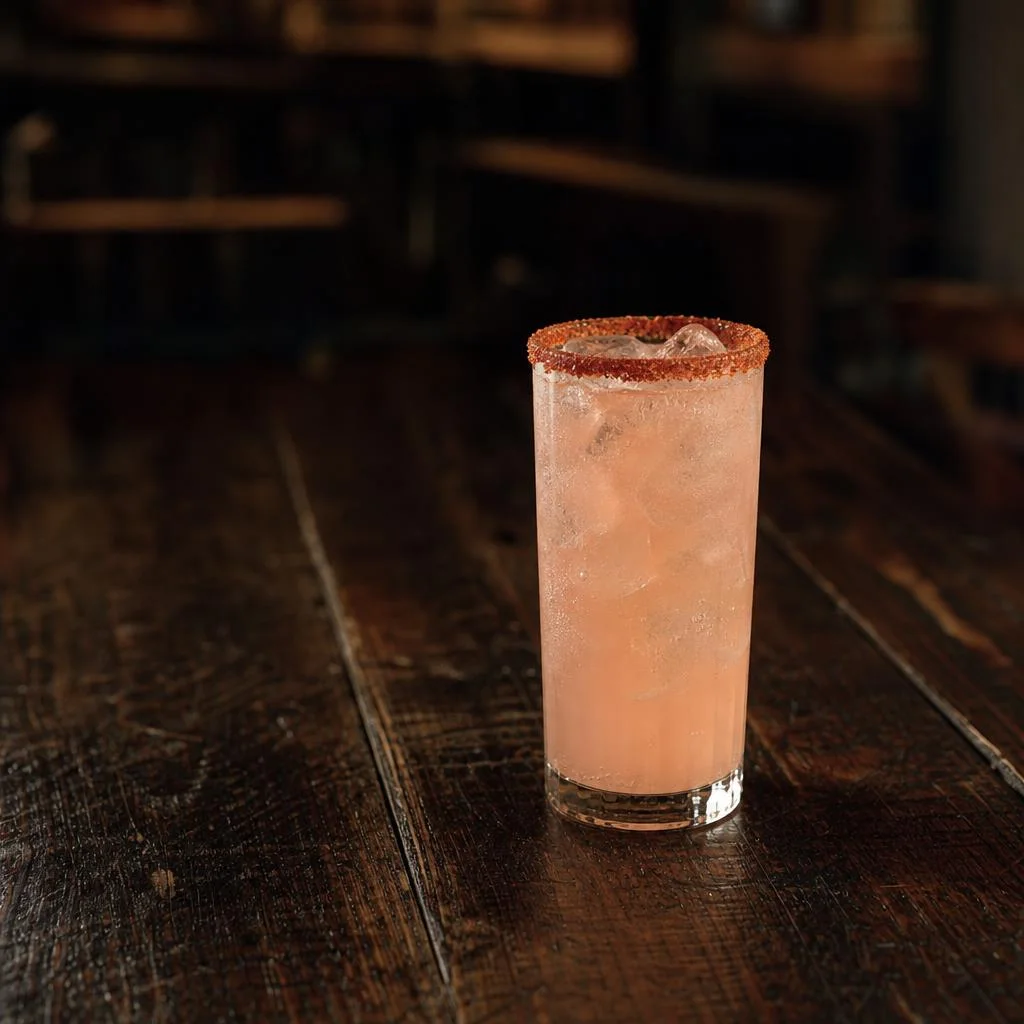
Paloma
Paloma gives grapefruit soda the finishing role in a Tequila-inspired highball.
Keep reading
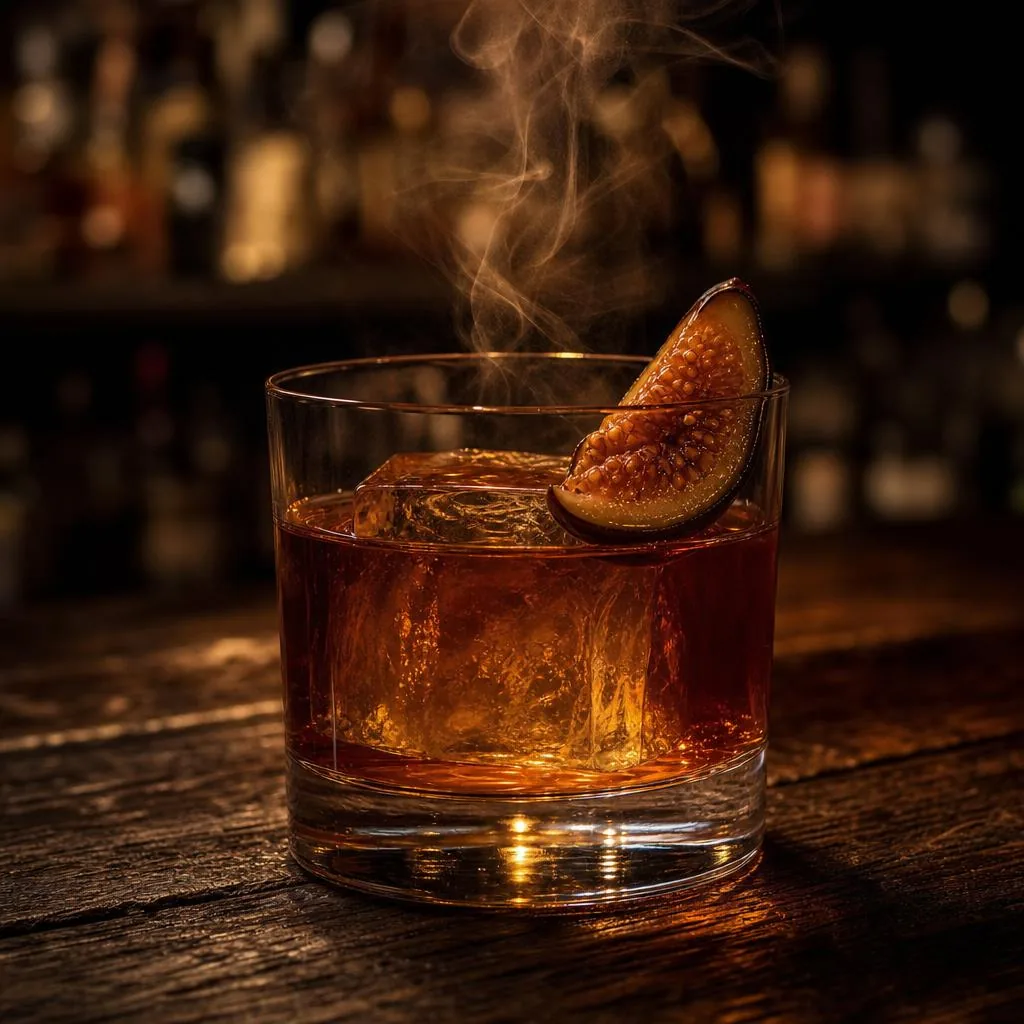
Same glass. Different proof.
Zero-Proof Spirits for a Proper Cocktail
Meet IMPOSTER zero-proof Whiskey, Tequila, Gin, and Rum. Compare spirit-inspired flavors, choose a bottle, and discover cocktails worth making.
The IMPOSTER Journal
How to Build a Zero-Proof Home Bar
Build a useful zero-proof home bar around the cocktails you enjoy: choose a base, a few mixers, practical tools, glassware, ice, and garnishes.