The IMPOSTER Journal
How to Build a Zero-Proof Home Bar
A home bar works when you can make the drinks you actually like. Start with a short recipe list and buy for it, rather than collecting every syrup and every bottle at once.
One base, two supporting ingredients, and a measured method can teach you more than a crowded shelf. Add a second expression when it opens a genuinely different drink.
01
Pick your first flavor direction
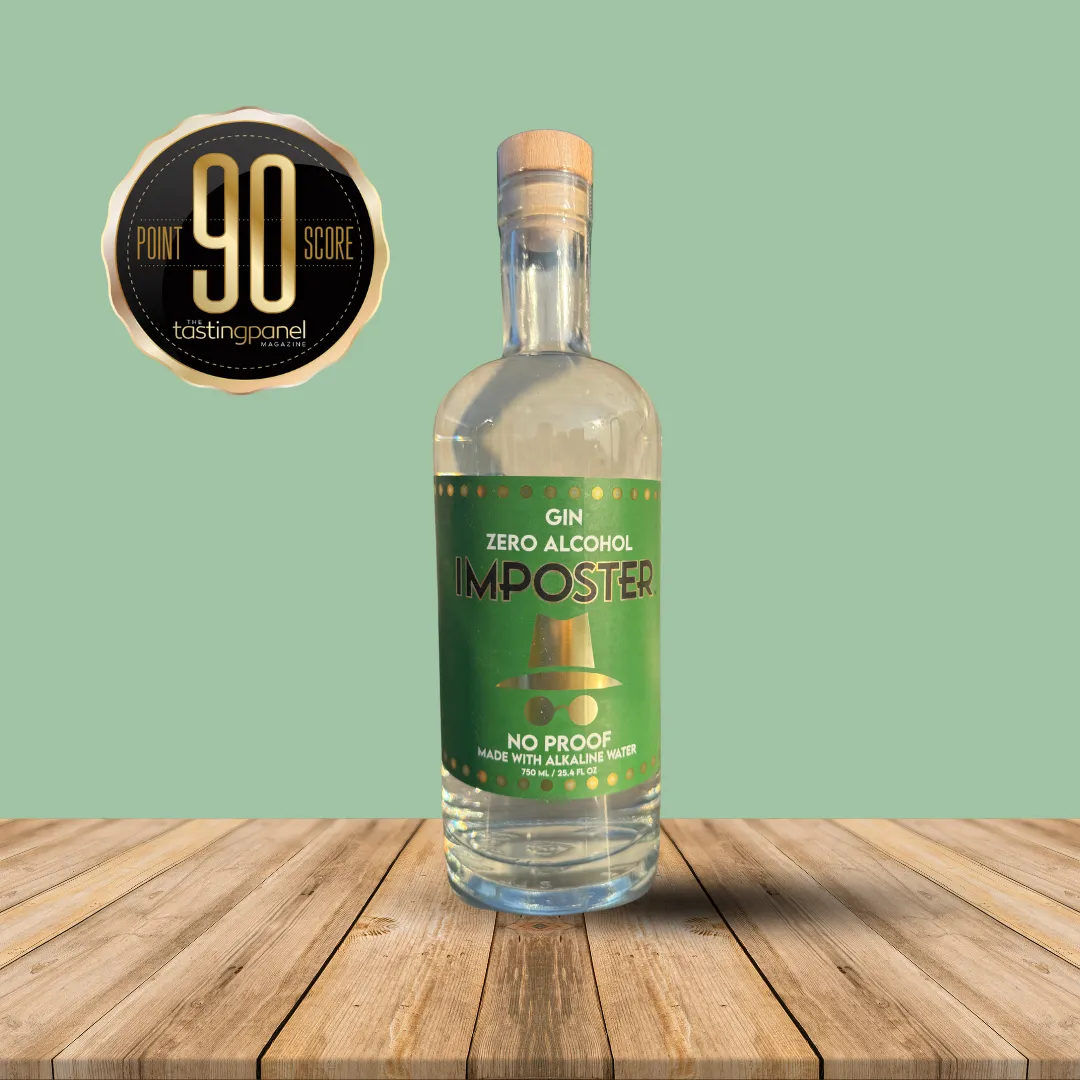
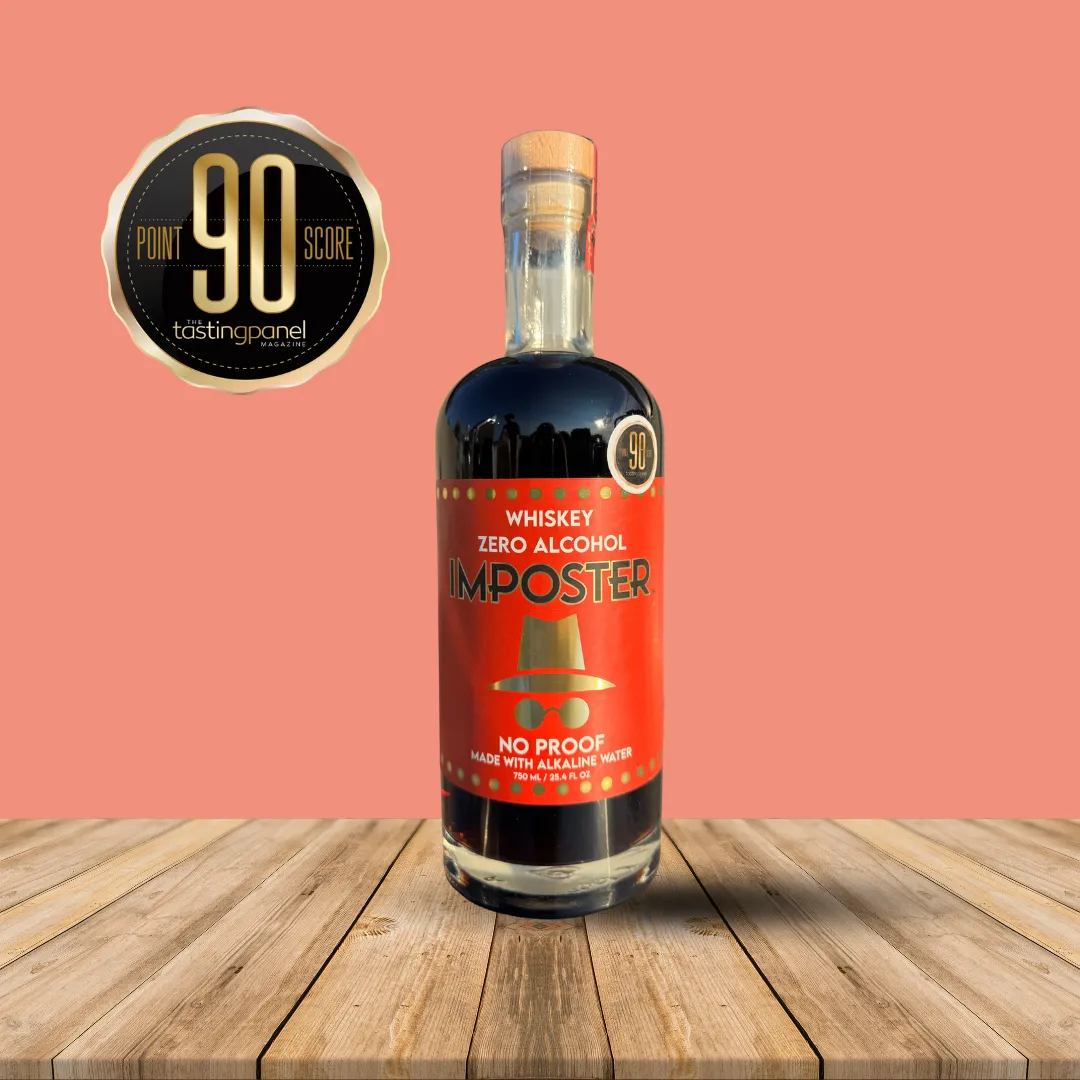
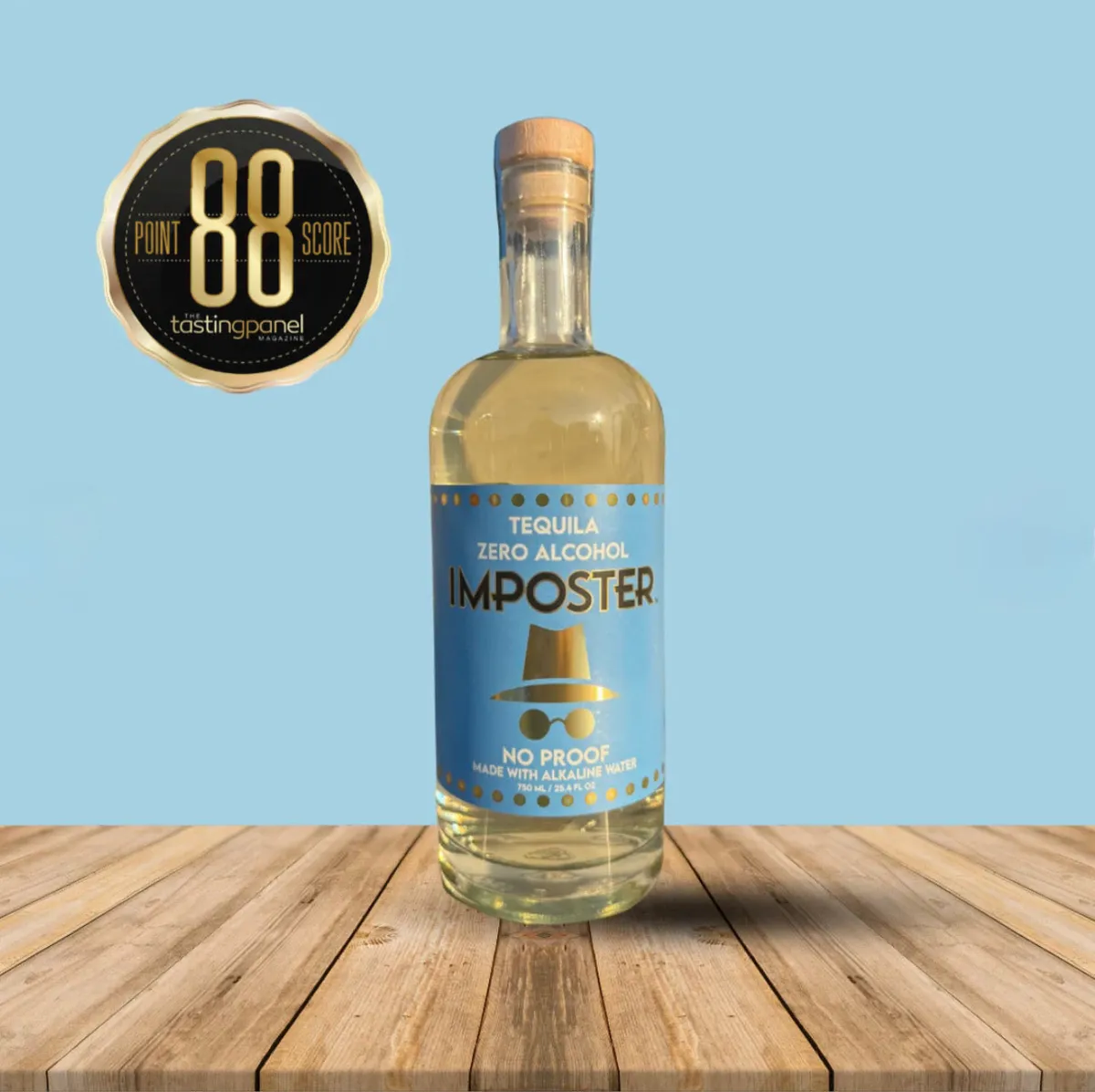
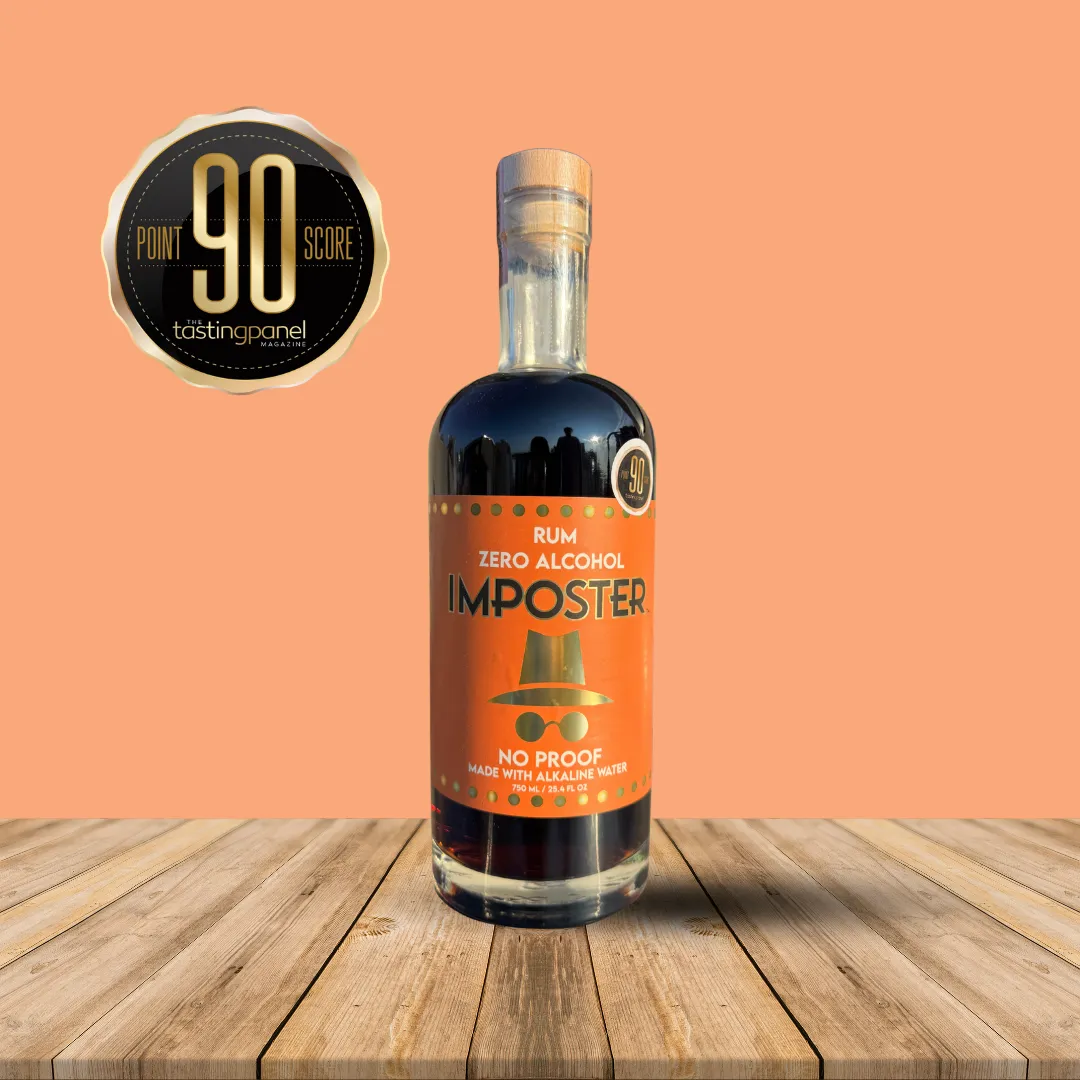
Choose Gin for juniper and citrus, Tequila for agave-inspired spice and citrus serves, Rum for vanilla and tropical fruit, or Whiskey for woody and spiced drinks. Browse the category pages to compare the actual IMPOSTER profiles.
If you want to explore the full range, the current shop lists the available lineup and sampler. Do not assume a bundle price or contents from an editorial guide; check the actual product and checkout.
02
Buy tools for a method, not for display
A measuring tool is the first useful purchase. Add a shaker and strainer for shaken recipes, or a mixing glass and spoon for stirred ones. Use a suitable existing glass before buying specialist stemware.
Keep clean ice available. A drinks recipe that calls for shaking and then fresh serving ice needs both steps. Reusing warm shaker ice changes the finish and can make a carefully measured drink feel less deliberate.
03
Keep a short, checked mixer list
Choose the citrus, tonic, soda, sweetener, or puree that your selected recipes require. Read labels for alcohol, allergens, and storage. A zero-proof base does not establish those facts for the other ingredients.
Store opened ingredients according to their labels. Avoid making up a shared refrigeration period for all bottles or syrups. When the bottle’s instructions are unclear, ask the producer before relying on a generic guide.
04
Expand after a few real pours
Make the same drink twice before adding more ingredients. Keep a note of measurements, glass, and garnish. Then try a different recipe using the same bottle, or move to a second flavor direction.
That gives your bar a reason to grow. It also keeps product browsing connected to actual drinks instead of a list of things that only look good on a shelf.
05
Worked exampleA first shopping list for Gin and Tonic
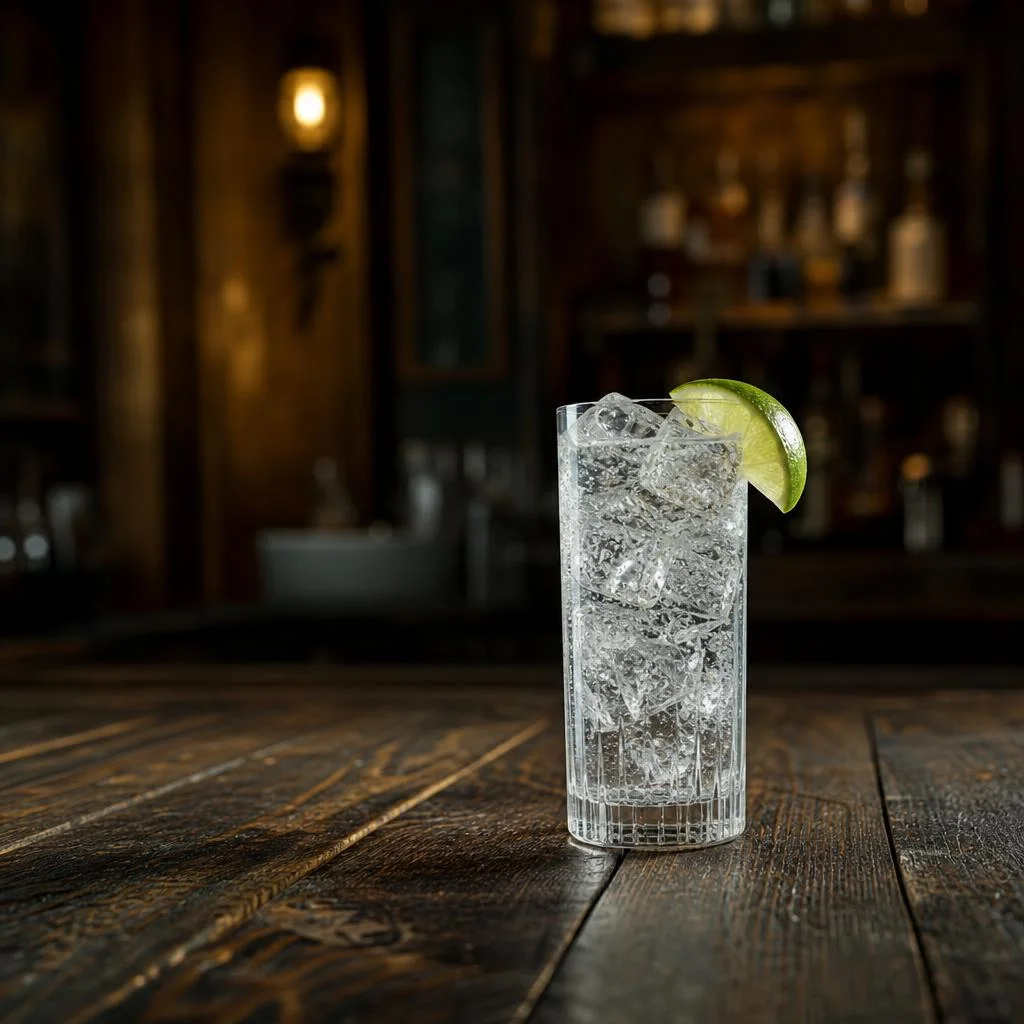
The published Gin and Tonic uses 2 oz IMPOSTER Gin, 4 oz tonic water, ice, and a lime wedge. To make that drink, you need the bottle, tonic, a lime, a measuring tool, and a highball with room for ice. You do not need a shaker or a collection of syrups.
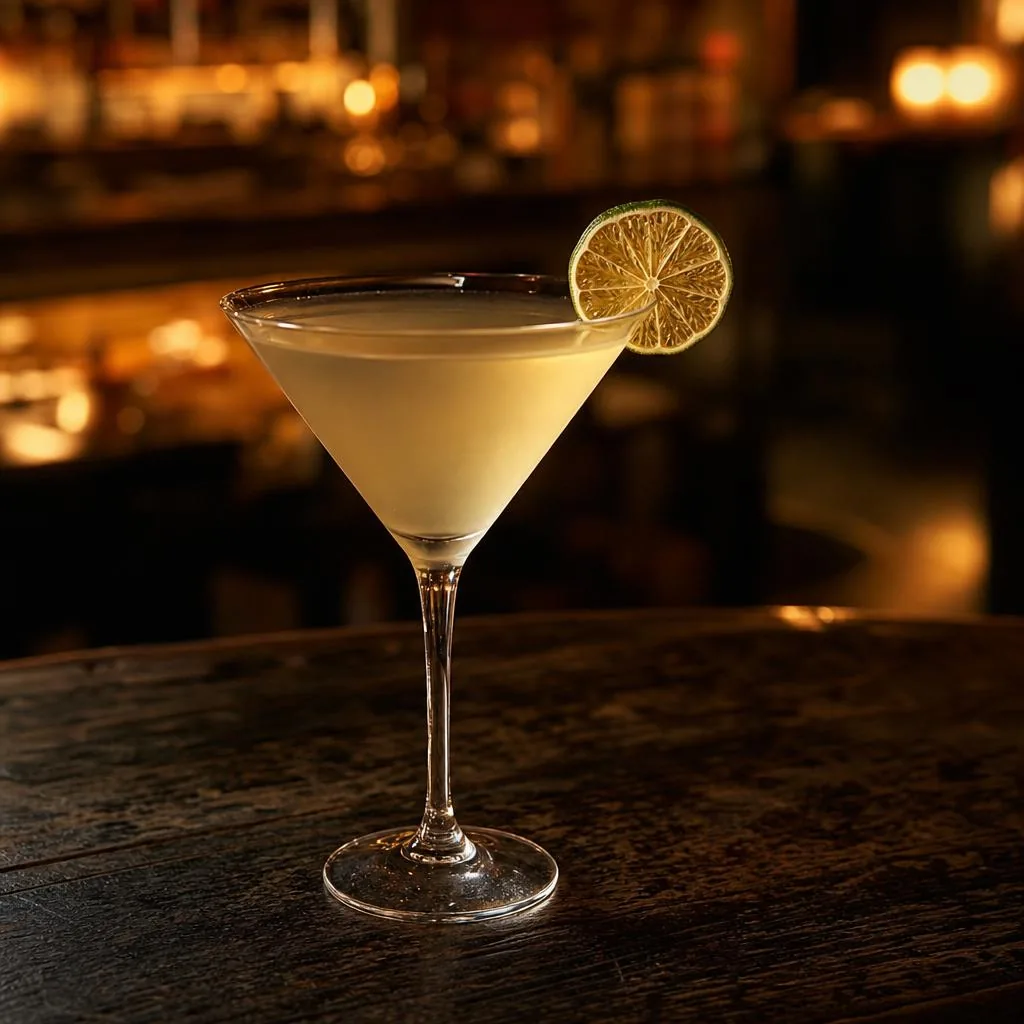
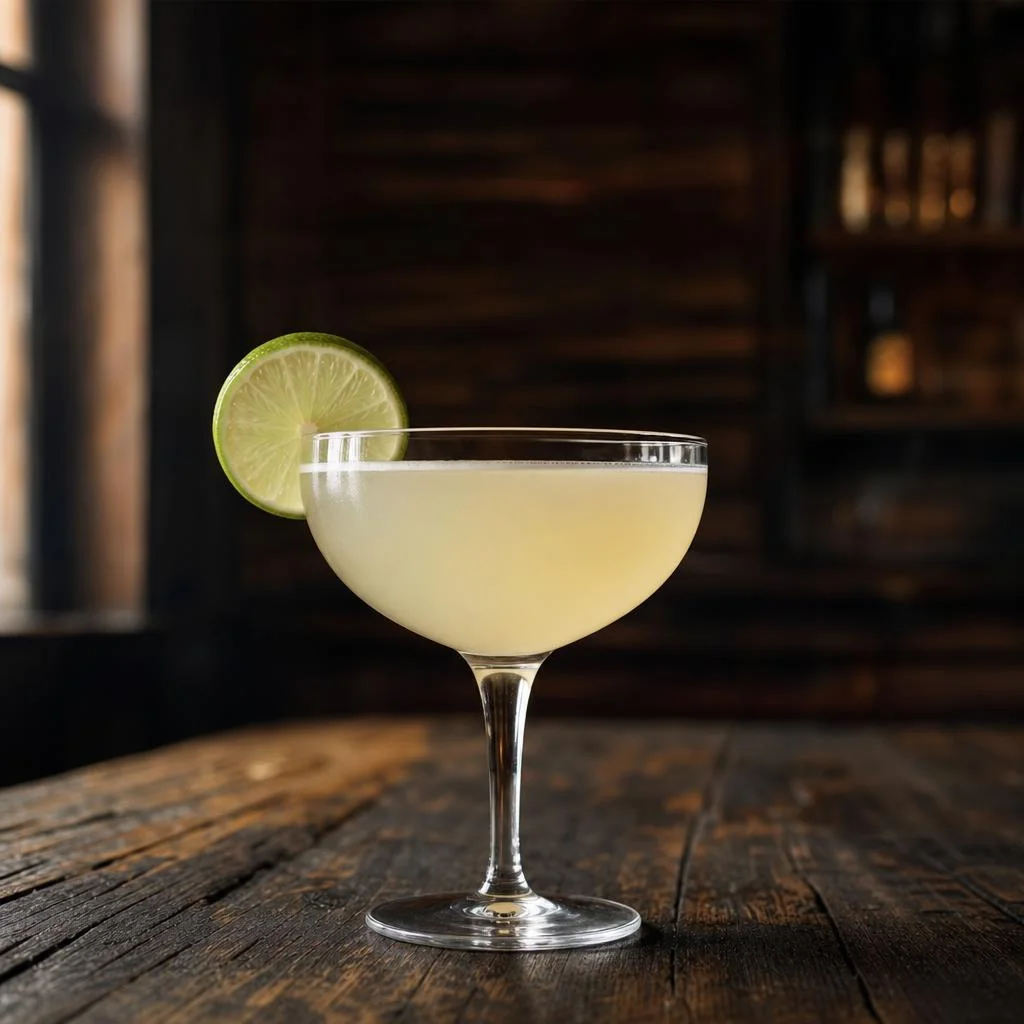
For a contrasting second method, the Daiquiri uses Rum, lime juice, and simple syrup, shaken and strained into a coupe. That adds a shaker and strainer for a clear reason. Buy for one method first, then add tools when the next recipe actually needs them.
Recipes to make
Gin & Tonic
A Gin & Tonic is a useful place to understand what the bottle and mixer each bring to a drink.
Daiquiri
Daiquiri keeps the ingredient balance visible: IMPOSTER Rum, lime juice, and simple syrup, with no carbonated mixer or fruit purée.
Paloma
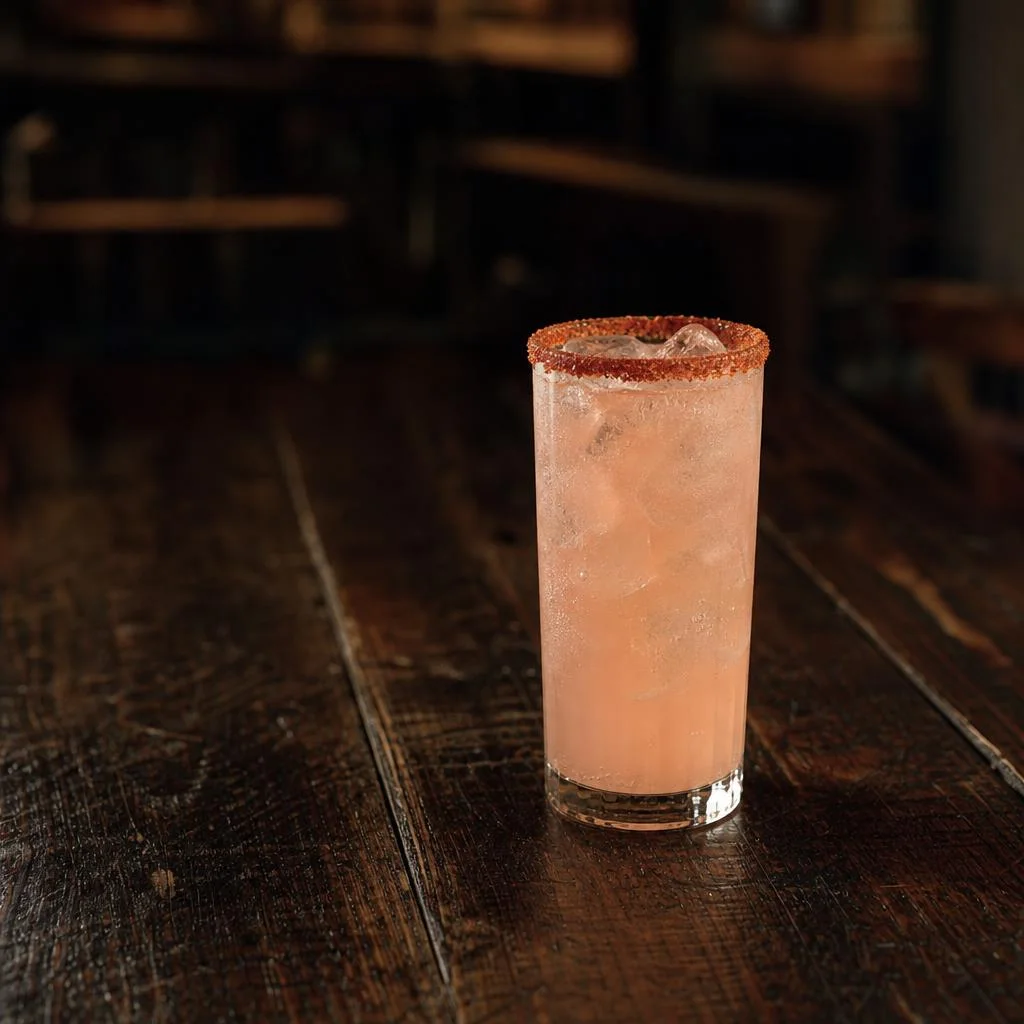
Paloma gives grapefruit soda the finishing role in a Tequila-inspired highball.
Keep reading
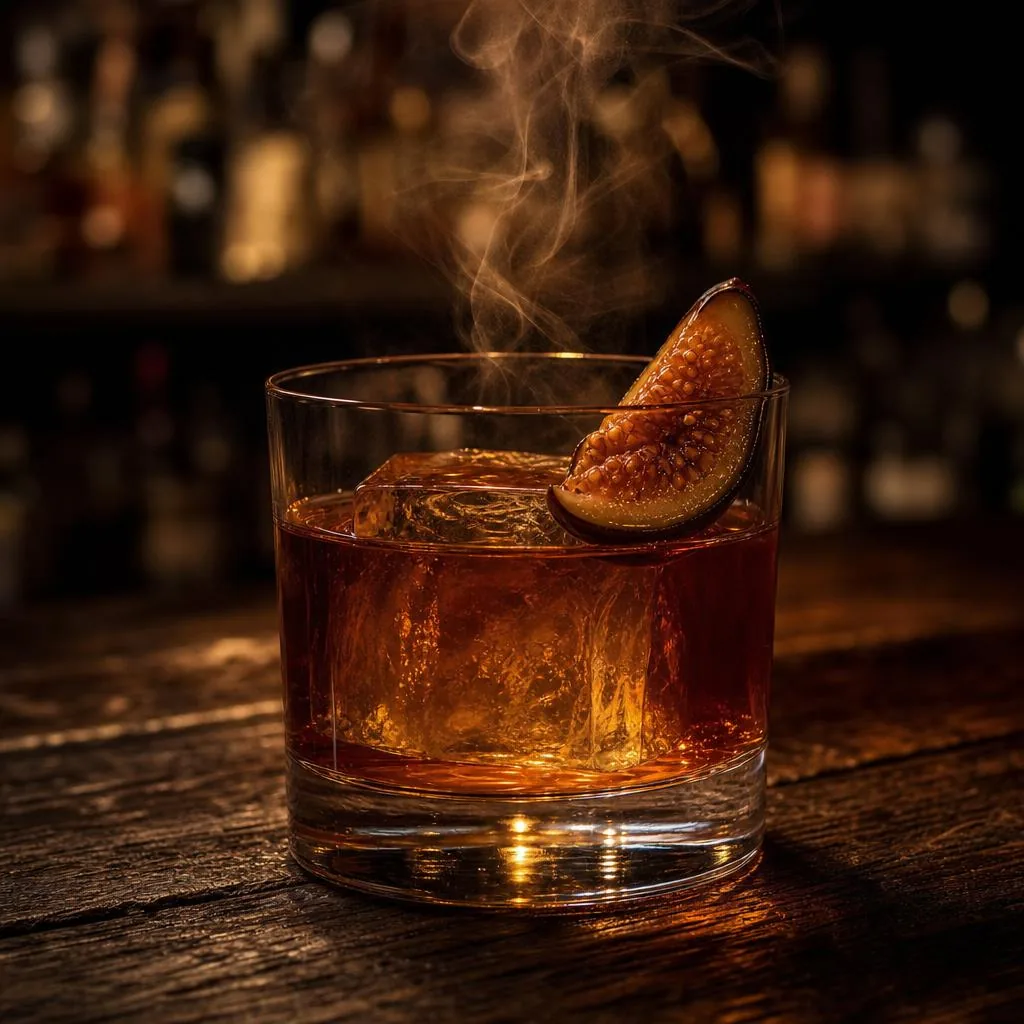
Same glass. Different proof.
Zero-Proof Spirits for a Proper Cocktail
Meet IMPOSTER zero-proof Whiskey, Tequila, Gin, and Rum. Compare spirit-inspired flavors, choose a bottle, and discover cocktails worth making.
The IMPOSTER Journal
What Are Zero-Proof Spirits?
Understand zero-proof spirits, how they differ from mixers, and how to choose a Whiskey, Tequila, Gin, or Rum-inspired base for your next cocktail.
The IMPOSTER Journal
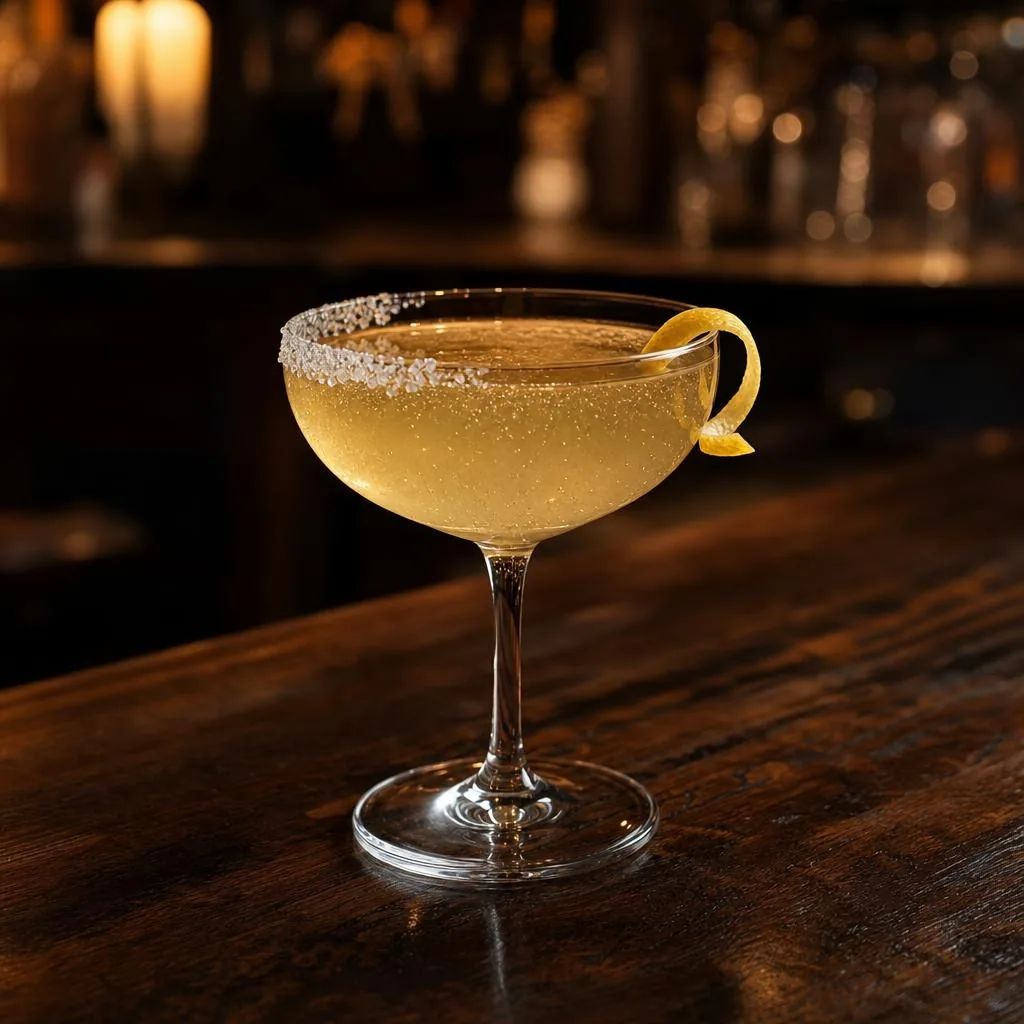
Best Glassware and Garnishes for Zero-Proof Cocktails
Choose practical glassware, fresh serving ice, and recipe-matched garnishes for zero-proof cocktails, from a Daiquiri coupe to an iced highball.