The IMPOSTER Journal
What Does Non-Alcoholic Whiskey Taste Like?
Non-alcoholic whiskey is a category, not a single flavor. A useful description separates aroma, taste, finish, and what happens when the bottle is mixed into a drink.
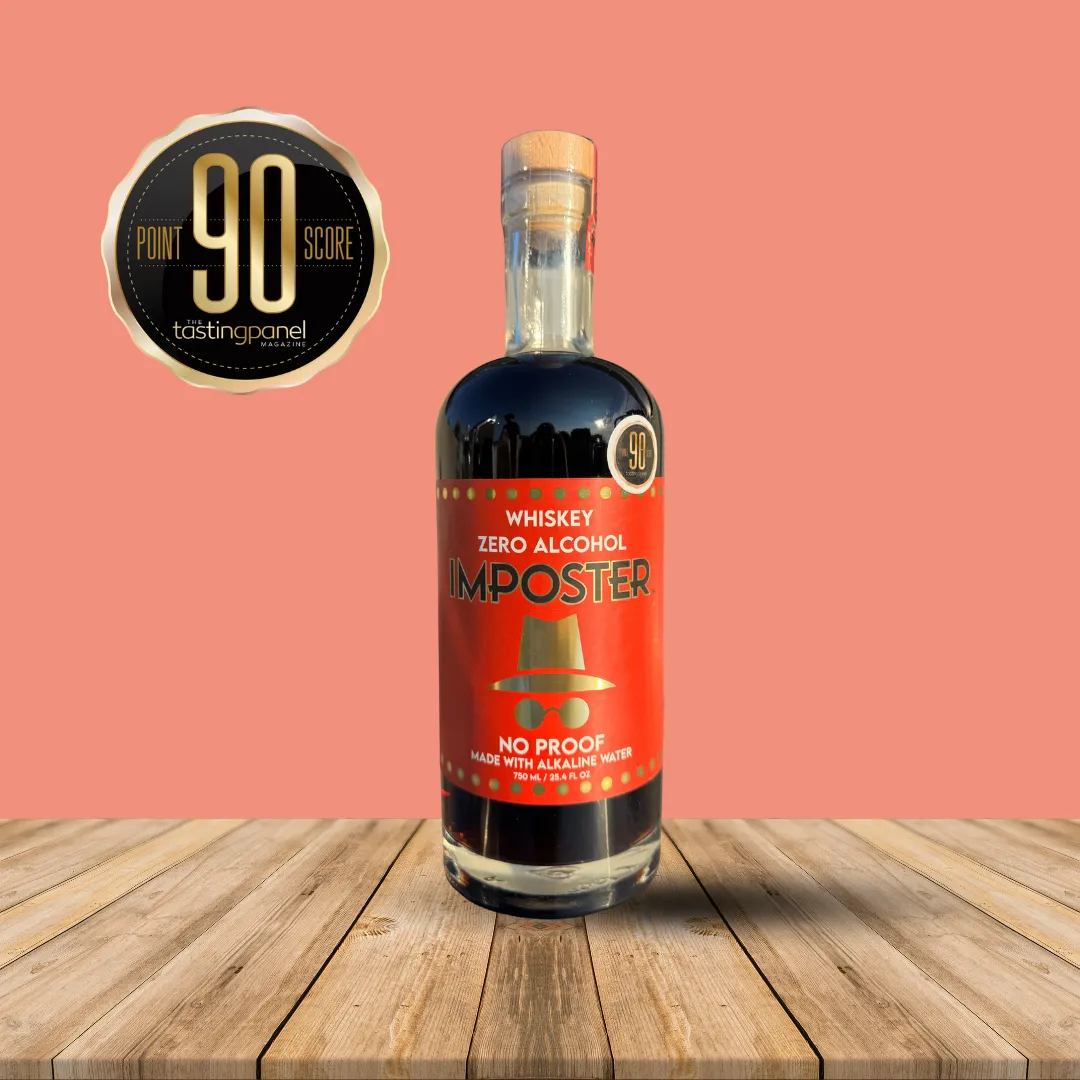
The official IMPOSTER Whiskey description names citrus and caramel, an oak-led woody core, and cedar, walnut, and cinnamon in a neat serve. These are the verified tasting notes to start with, not a guarantee of identical perception for every person.
01
Taste it before building around it
Try a small neat pour if that interests you, then compare a measured serve with ice or a recipe. Temperature and dilution change a drink. Notice whether the citrus, woody character, or spice becomes more prominent for you.
Do not infer ingredient or allergen content from a tasting note. The word walnut in a flavor description is not a substitute for the current ingredient and allergen information on the label.
02
Choose the supporting ingredients deliberately
A stirred Old Fashioned-style serve leaves less room to hide sweetness than a long drink with ginger beer. Start from a published recipe and measure its syrup or puree carefully. For a sour, the balance of citrus and sweetener is as important as the base.
Bitters deserve their own label check. A brandied garnish also changes the alcohol-free status of a drink. If your goal is a fully alcohol-free serve, review every ingredient rather than treating the bottle as proof about the whole glass.
03
Use recipes as a comparison
A Brown Derby-style citrus drink, a fig-led serve, and a ginger-beer mule offer different ways to experience the same expression. Pick the one that matches what you already enjoy, then keep a note of any adjustment.
Use the category guide to explore other whiskey-inspired serves and the linked recipe for actual quantities and directions. Return to the product page when you know what you want to make.
04
ChecklistCompare two serves without changing everything
Choose one citrus-led recipe and one longer ginger-beer recipe to explore the same Whiskey expression. Brown Derby and Tennessee Peaches Mule give you that comparison. Make each according to its own recipe, then note how the citrus, fruit, mixer, and serving ice shape the base.
If you change a drink, record the original measure and your adjustment. Changing the puree, sweetener, bitters, and glass at the same time makes it hard to identify what you preferred. A tasting note is more useful when it describes the actual serve than when it ranks a bottle without context.
- Write down the recipe and the mixer you used.
- Compare aroma before the first sip, then sweetness and finish.
- Change one measured component on the next pour, not the whole recipe.
Recipes to make
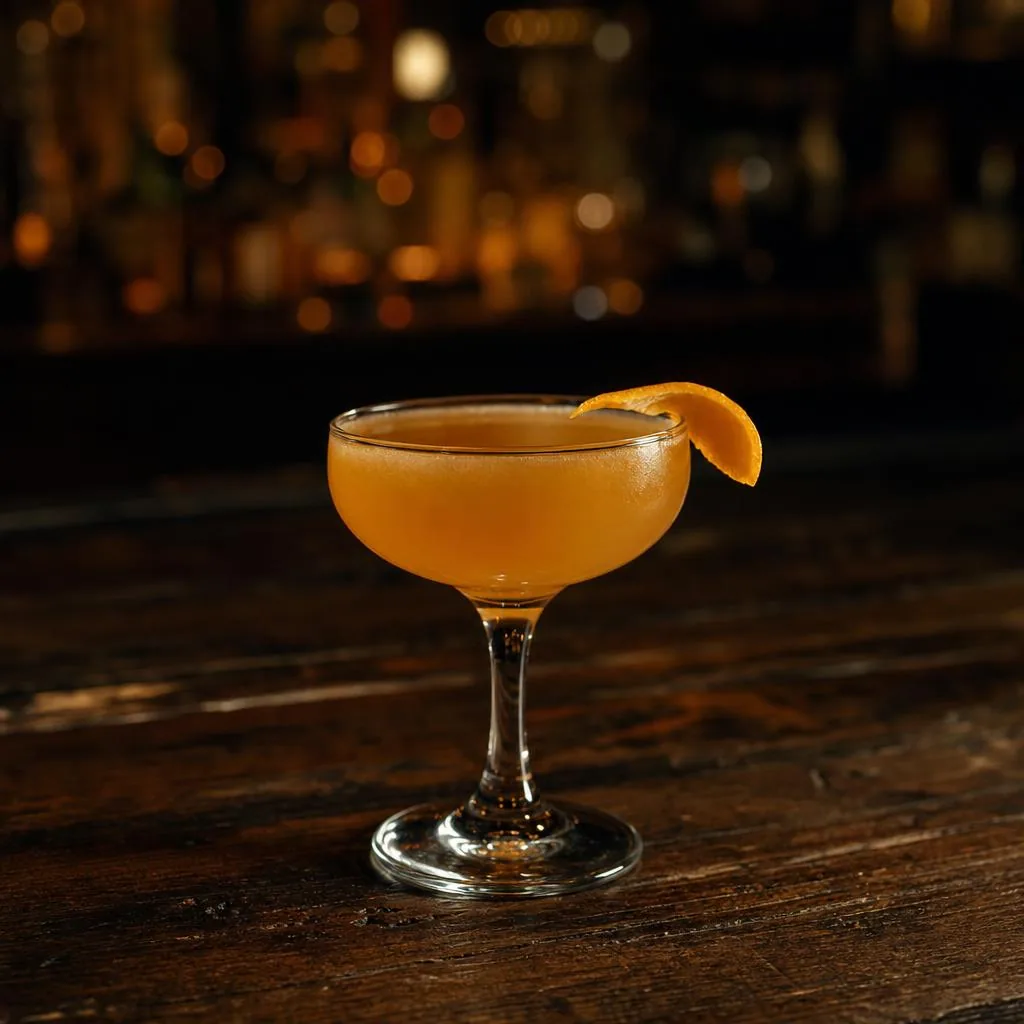
Brown Derby
This Brown Derby is the supplied orange-and-yuzu adaptation, not the traditional grapefruit-and-honey formula.
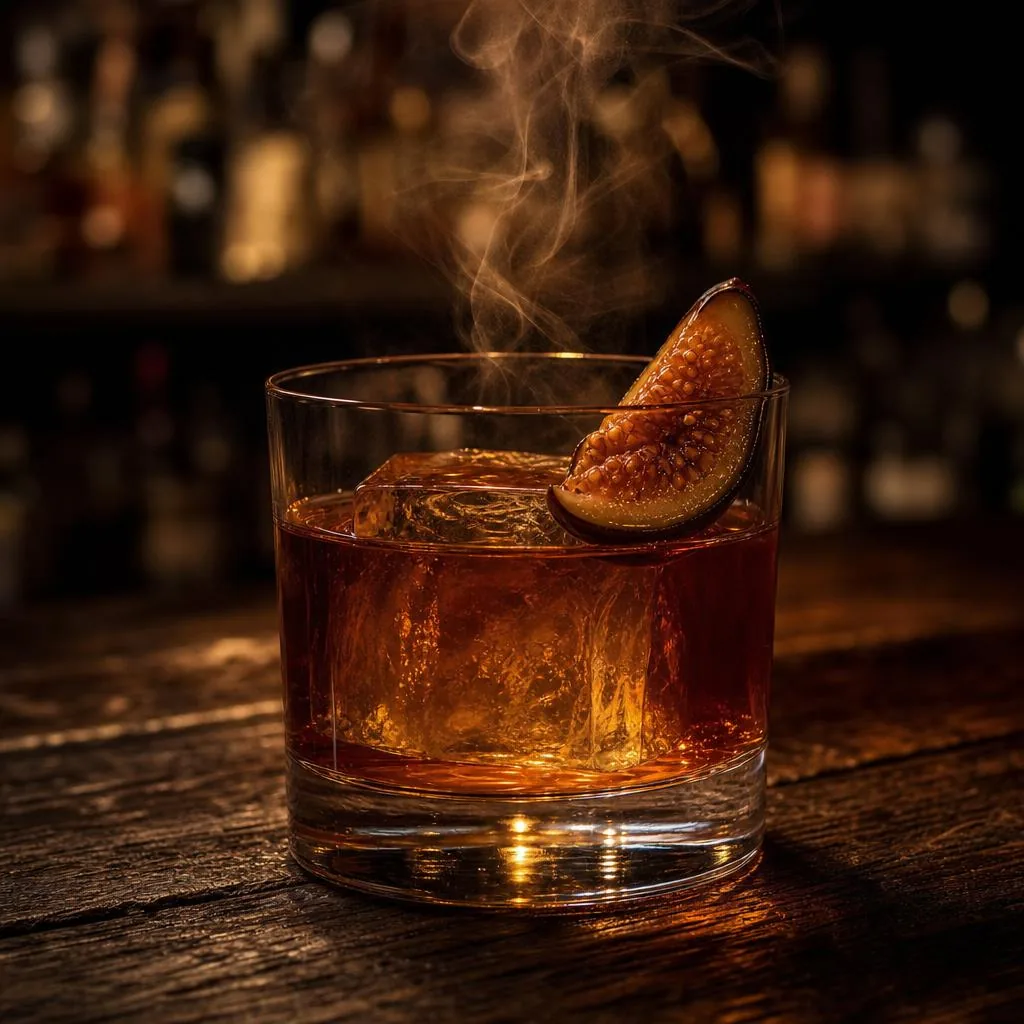
Fig-ure of Speech
Fig-ure of Speech puts fig purée at the center of a short Whiskey-inspired serve.
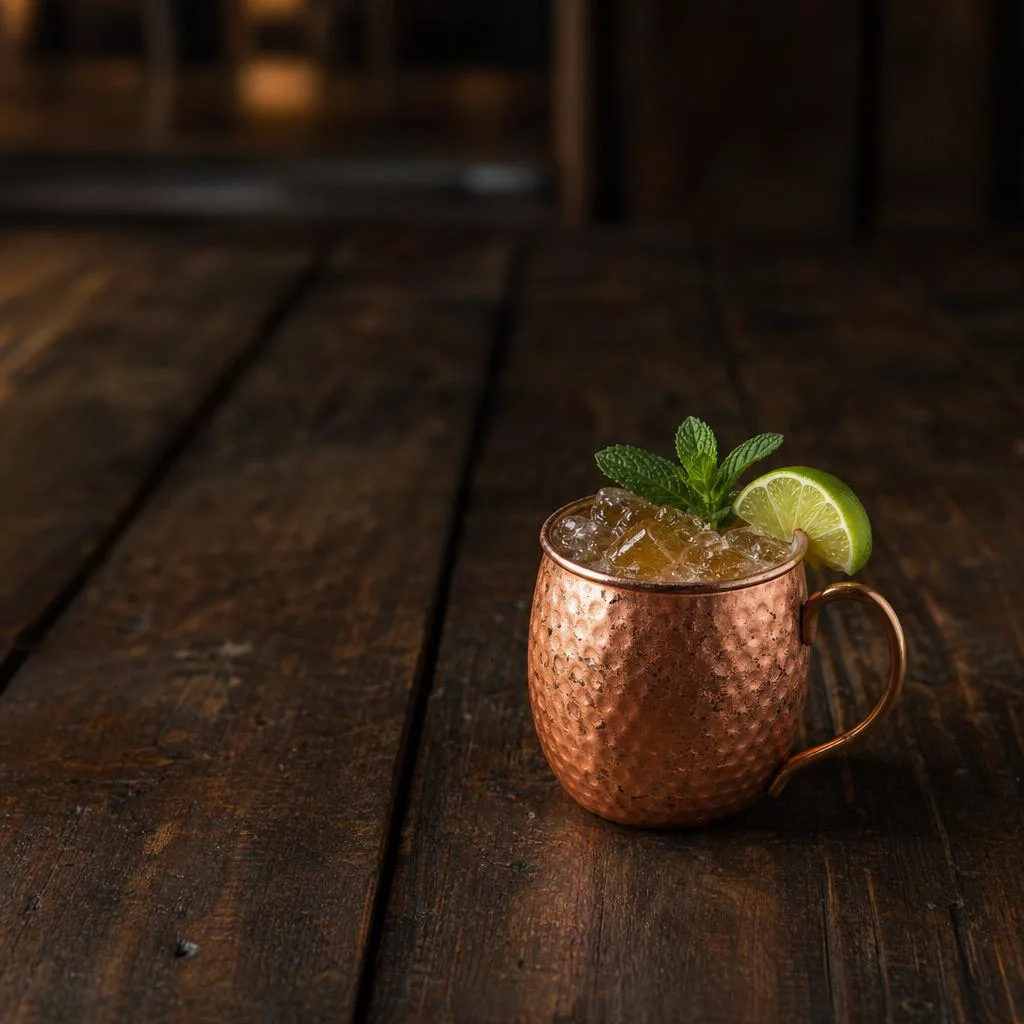
Tennessee Peaches Mule
Tennessee Peaches Mule adds a measured lime pour to the peach-and-ginger combination.
Keep reading
Know your pour
Non-Alcoholic Whiskey, Made for the Cocktail
Explore IMPOSTER non-alcoholic whiskey. Learn its flavor profile, find spirit-inspired recipes, and shop the bottle for your next cocktail.
The IMPOSTER Journal
How to Make a Non-Alcoholic Old Fashioned
Learn the technique behind a whiskey-inspired Old Fashioned: measuring sweetness, stirring, choosing ice, and checking bitters and garnishes.
The IMPOSTER Journal
Are Cocktail Bitters Alcohol-Free?
Do not assume cocktail bitters are alcohol-free. Learn what to check on labels and why bitters, extracts, and garnishes matter in a zero-proof drink.