The IMPOSTER Journal
Are Cocktail Bitters Alcohol-Free?
Not necessarily. Many traditional cocktail bitters contain alcohol. The fact that a recipe uses only a few dashes does not make the ingredient alcohol-free or prove that the finished drink is 0.0% ABV.
If avoiding alcohol in every ingredient matters to you, read the label for the specific product and formulation. A category name, an online recipe, or a zero-proof base bottle cannot answer that question for another producer.
01
Bitters and bitter mixers are different products
Concentrated aromatic or orange bitters are commonly used in small amounts. A bitter soda or non-alcoholic aperitif is a different type of ingredient and is not an automatic one-for-one substitute.
Check the actual product’s alcohol-content statement and serving instructions. When a page or label is unclear, ask the manufacturer instead of treating the absence of a number as evidence of zero alcohol.
02
The other ingredients need the same attention
Extracts, fermented mixers, liqueurs, and brandied fruit can also affect a finished drink. Review them alongside the bitters. A garnish is still part of the serve.
The IMPOSTER bottle’s stated 0.0% ABV applies to that bottle. It is not a laboratory result for every possible cocktail, every substitution, or every mixer someone might add.
03
Choose a recipe that fits your requirement
A recipe without bitters may be an easier starting point than replacing several ingredients in a bitters-led drink. The Daiquiri and Gin and Tonic pages give clear ingredient lists to inspect, while Whiskey recipes illustrate why labels deserve attention.
If you use an alcohol-free bitters alternative, treat its intensity and sweetness as its own profile. Make one glass, taste carefully, and record the adjustment. Do not label an untested substitution as an approved original recipe.
04
Avoid health conclusions
This guide is about ingredient information, not medical advice. It does not establish what is suitable for a health condition, medication, pregnancy, recovery requirement, or religious standard. Use the product labels and appropriate individual advice for those questions.
05
ChecklistA quick label-check workflow
Start with the exact bottle you intend to use, not a search result for the brand in general. Look for an alcohol-content statement on that formulation and check any current manufacturer guidance. If the statement is absent or unclear, ask the producer before describing the ingredient as alcohol-free.
Then review the full recipe. Replacing the bitters does not address a brandied garnish or another alcohol-containing ingredient. If you would rather avoid substitutions, compare a recipe with no listed bitters, such as Gin and Tonic or Daiquiri, and still review its actual mixers.
- Identify the product and formulation.
- Check the label and manufacturer information.
- Review extracts, mixers, and garnishes as well.
- Describe only what those ingredient checks support.
Recipes to make
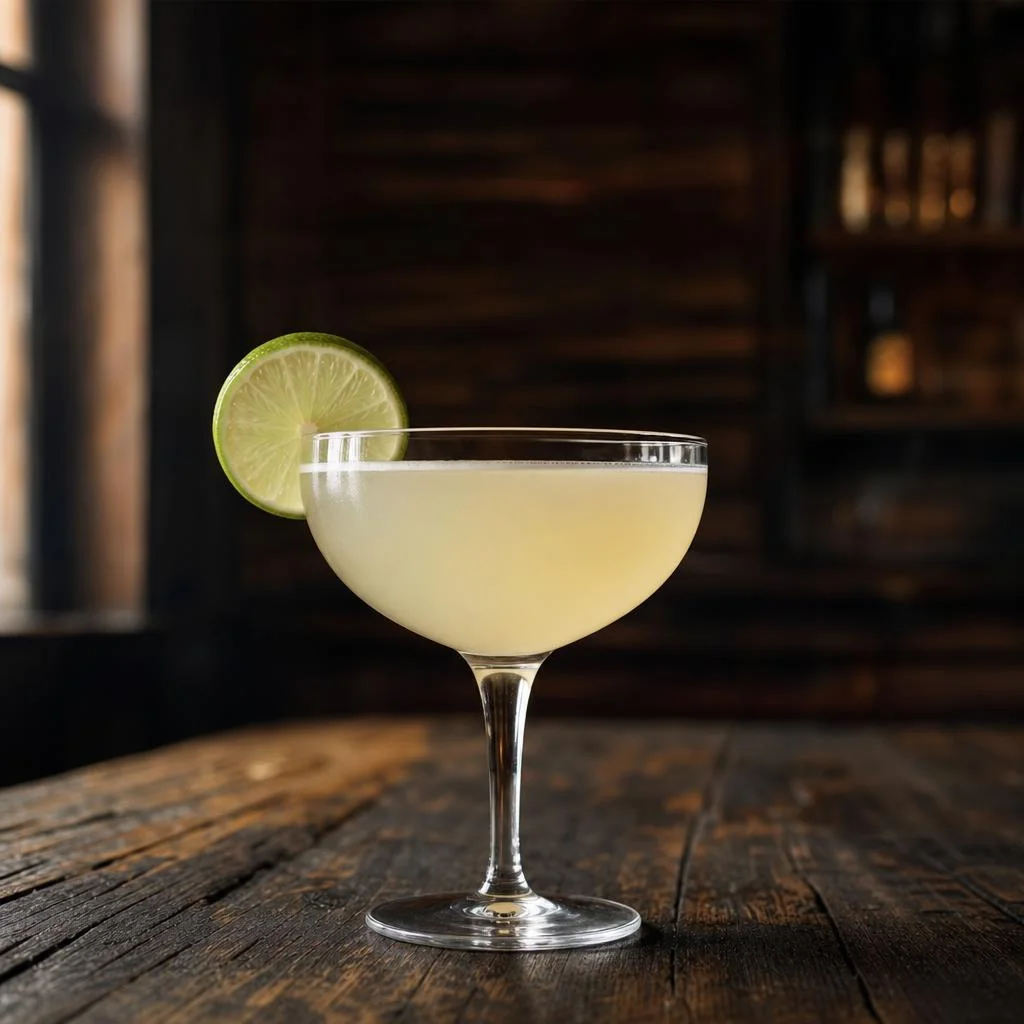
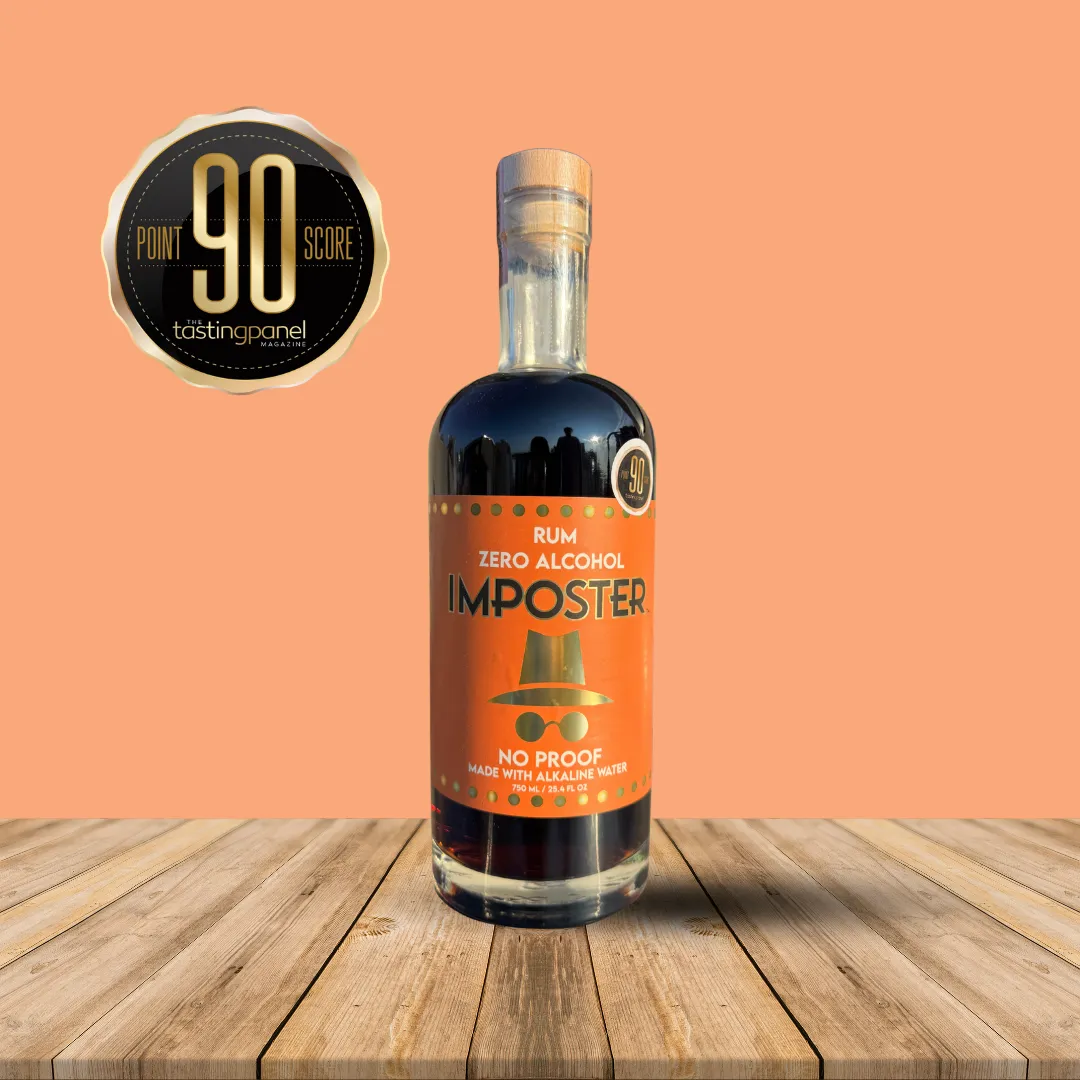
Daiquiri
Daiquiri keeps the ingredient balance visible: IMPOSTER Rum, lime juice, and simple syrup, with no carbonated mixer or fruit purée.
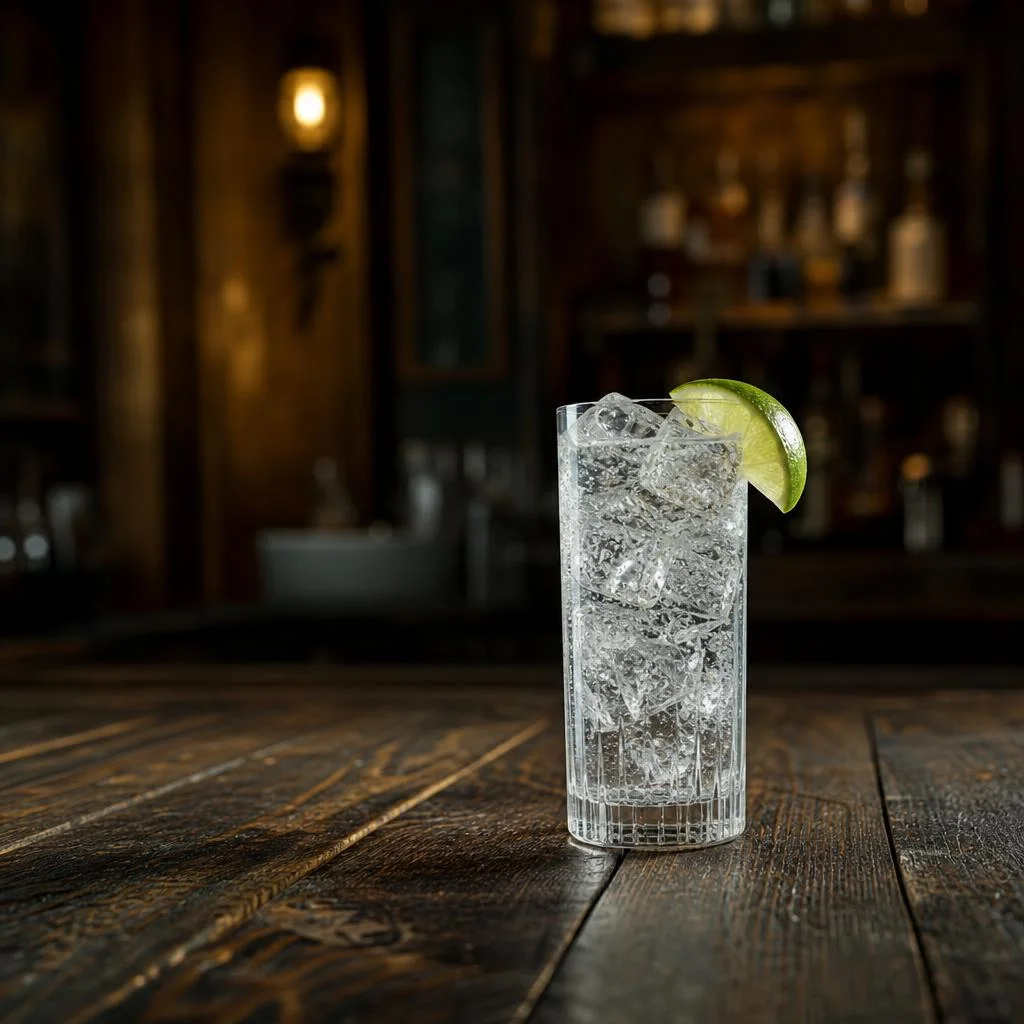
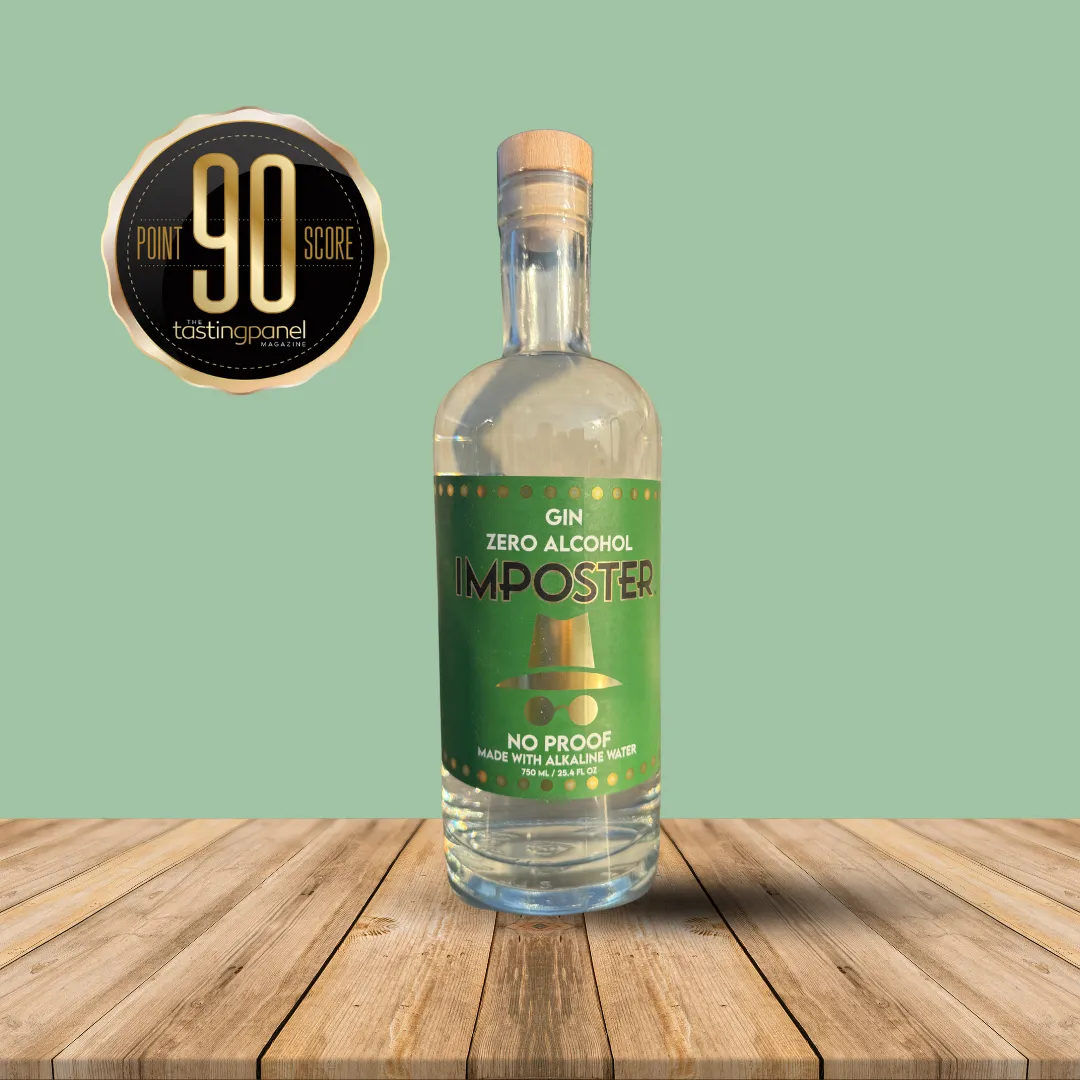
Gin & Tonic
A Gin & Tonic is a useful place to understand what the bottle and mixer each bring to a drink.
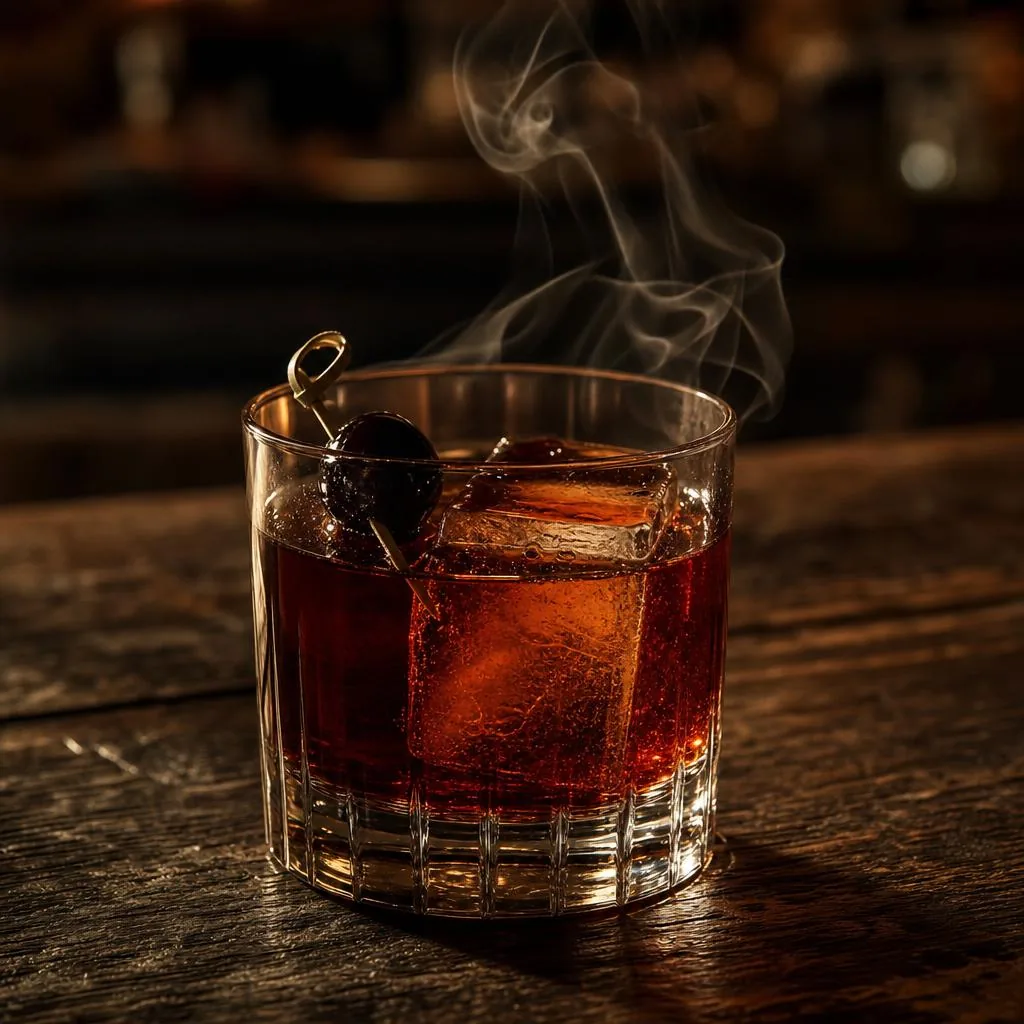
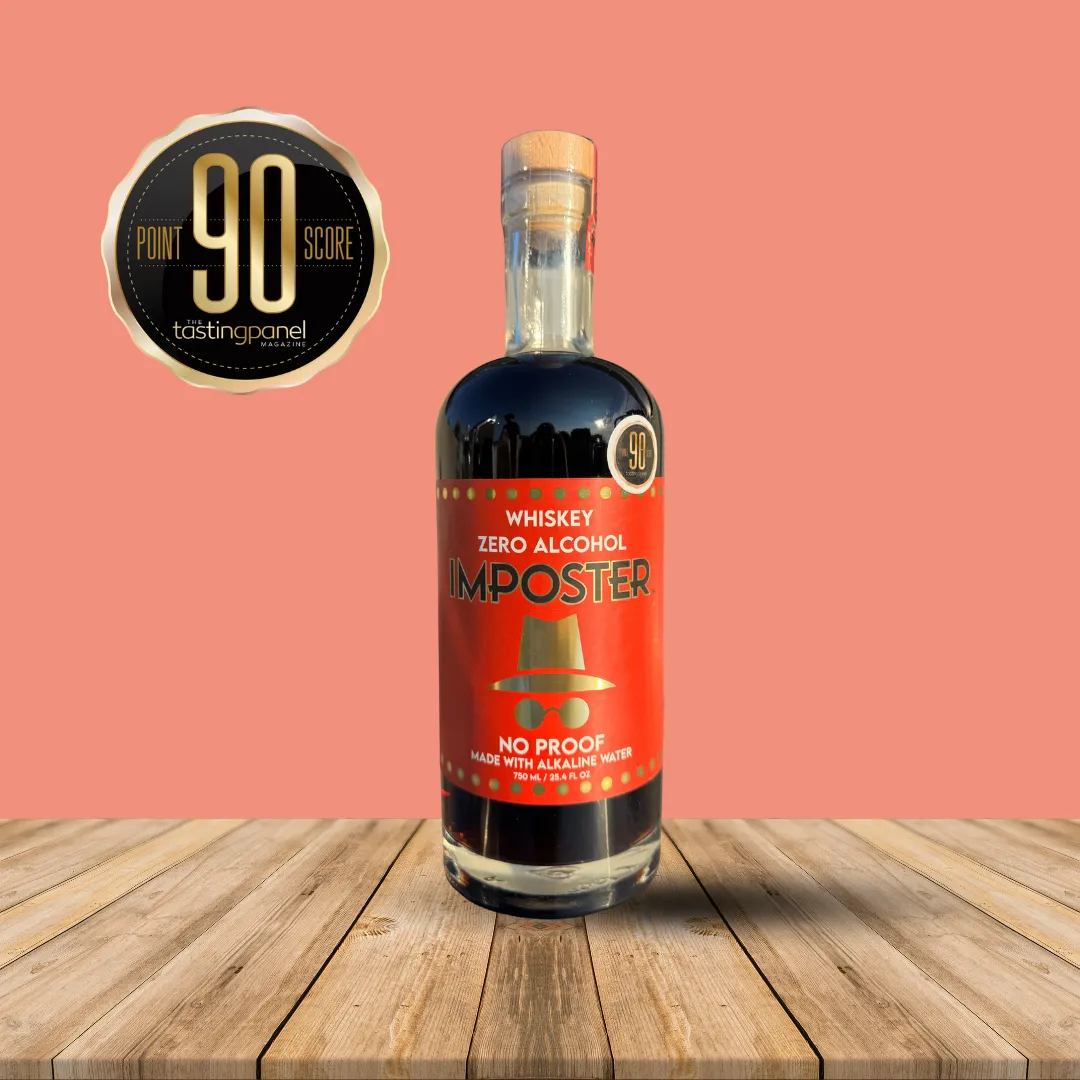
Smoked Black Cherry Old Fashioned
Black cherry gives this Old Fashioned-style drink its dark fruit center, while orange bitters keep the finish aromatic.