The IMPOSTER Journal
How to Batch Non-Alcoholic Cocktails for a Party
Batching can make hosting simpler, but a multiplied ingredient list is not always a complete serving method. Shaking, ice dilution, fresh fruit, and carbonation each need a plan.
Start with a recipe you have made as a single serving. Plan the still ingredients, carbonation, serving ice, and final pour separately. Start small so you can compare a finished batched glass with the single-serving recipe.
01
Do the arithmetic, then test the method
Multiply each measured still ingredient by the intended number of servings. Keep units consistent and write down the calculation. Do not multiply an instruction such as “top with soda” into an assumed fixed volume unless the original recipe gives one.
Make a small trial batch and compare a served glass with the original. A batch that was not shaken can be missing the water contributed by shaking with ice. Taste before deciding how it should be finished.
02
Keep bubbles and ice for service
Carbonated mixers lose their effect when a prepared mixture sits or is repeatedly stirred. Prepare the compatible still components, then add the recipe’s sparkling element at service. Never shake a sealed vessel containing carbonation.
Use fresh serving ice rather than leaving ice in the full batch to melt unpredictably. Decide who will finish each glass, where the ice will sit, and how garnishes will be added.
03
Label the ingredients honestly
List the base and mixers for guests. Check bitters, extracts, and garnishes for alcohol and allergens. Do not present a batch as 0.0% merely because its IMPOSTER base is described that way.
Keep recipes and substitutions visible to the person serving. A guest’s individual dietary or health requirement is not answered by a general party label or an assurance that the drink is “healthy.”
04
Plan portions without inventing bottle facts
Use the current bottle’s labeled volume and the recipe’s base measure to calculate what to buy. Separate theoretical yield from actual losses and top-ups. Do not assume every recipe uses the same pour.
Follow ingredient labels and appropriate food-handling guidance for preparation and storage. Prepare a realistic amount and avoid claiming that every fresh-fruit mixture has the same shelf life.
05
Worked exampleWorked example: shopping for six Gin and Tonics
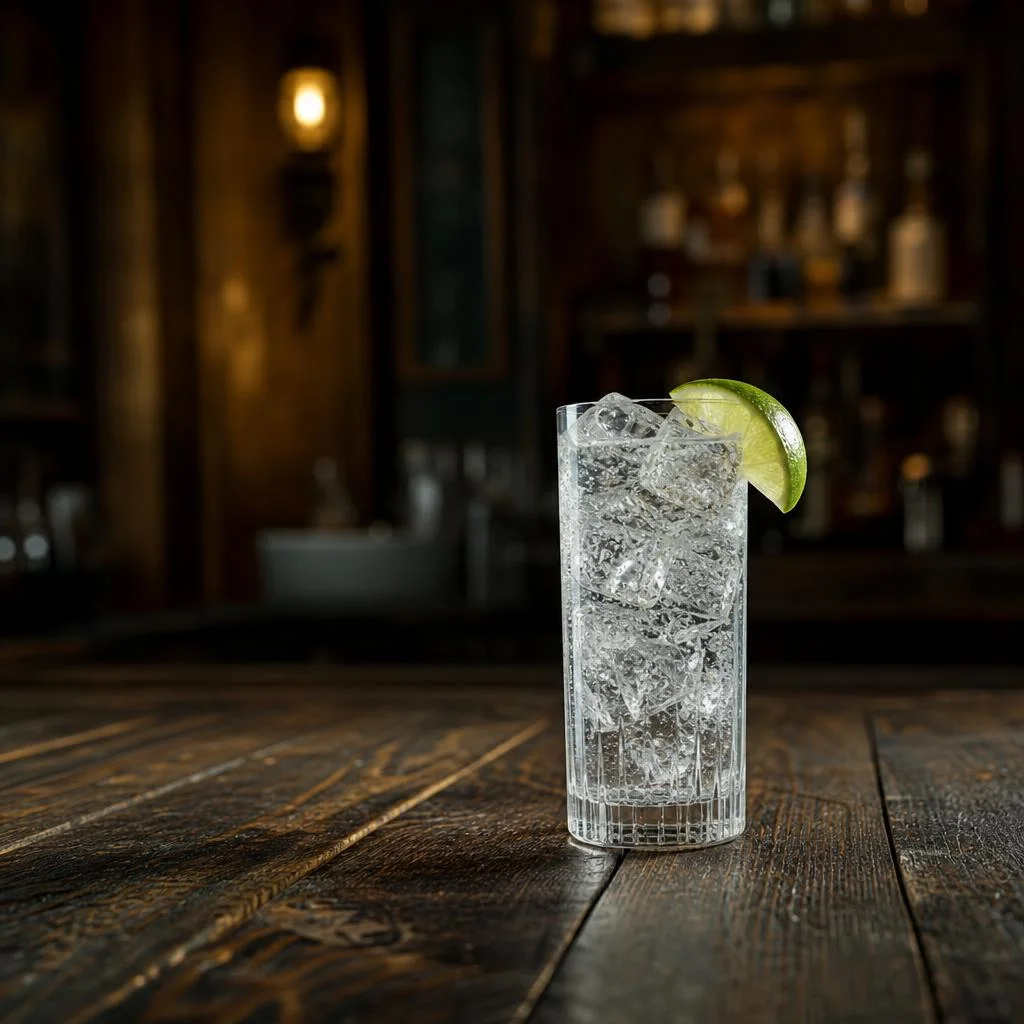
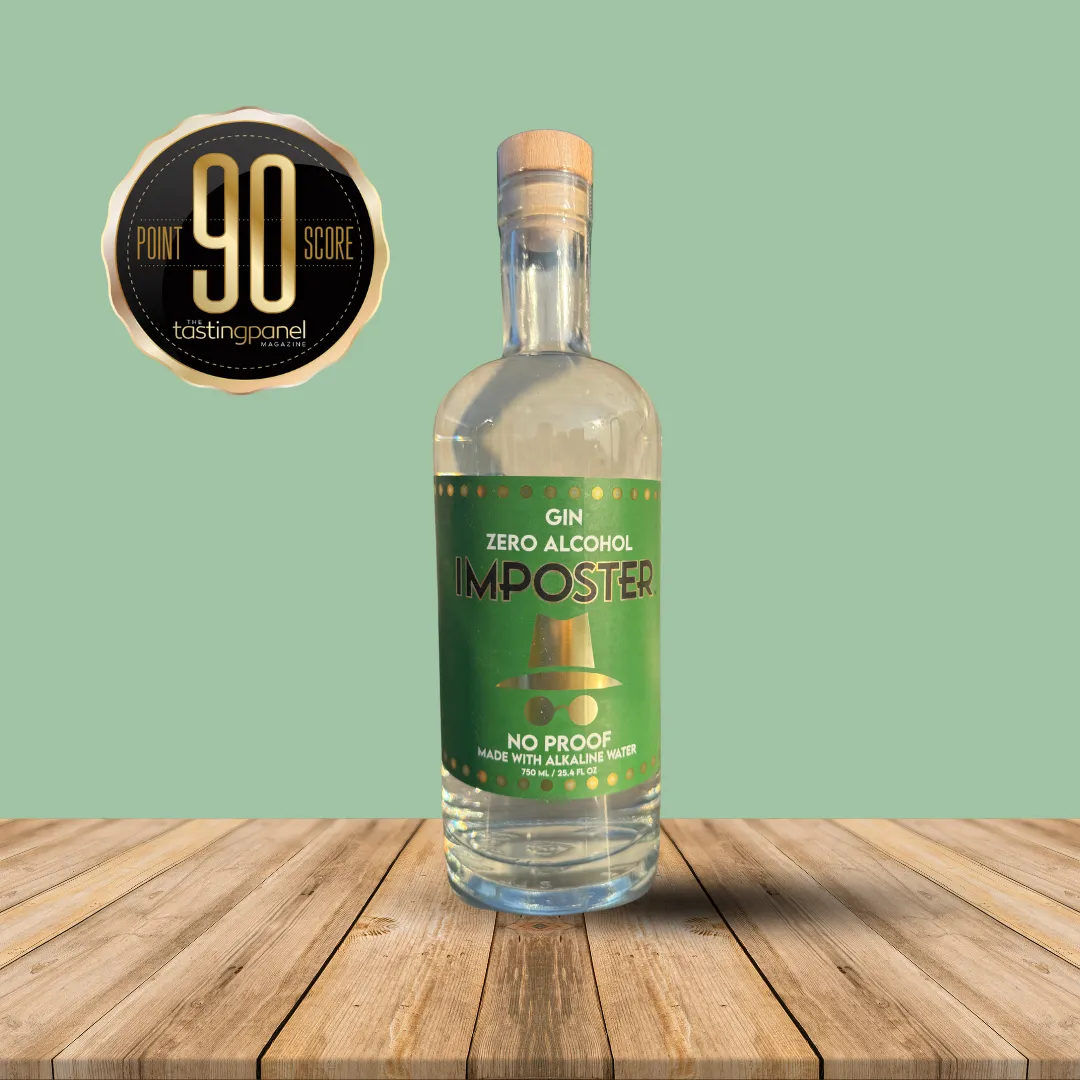
The Gin and Tonic recipe lists 2 oz Gin and 4 oz tonic per serving. Six servings therefore require 12 oz Gin and 24 oz tonic, plus ice and six lime wedges. This is a shopping calculation from the single-serving recipe, not an instruction to premix a carbonated pitcher.
At service, measure 2 oz Gin into each iced highball, add its 4 oz tonic, stir gently, and garnish. Keep the tonic separate until each glass is built. For a different number of guests, multiply the two listed measures by the number of intended servings, then check bottle volumes before shopping.
Recipes to make
Watermelon Mojito
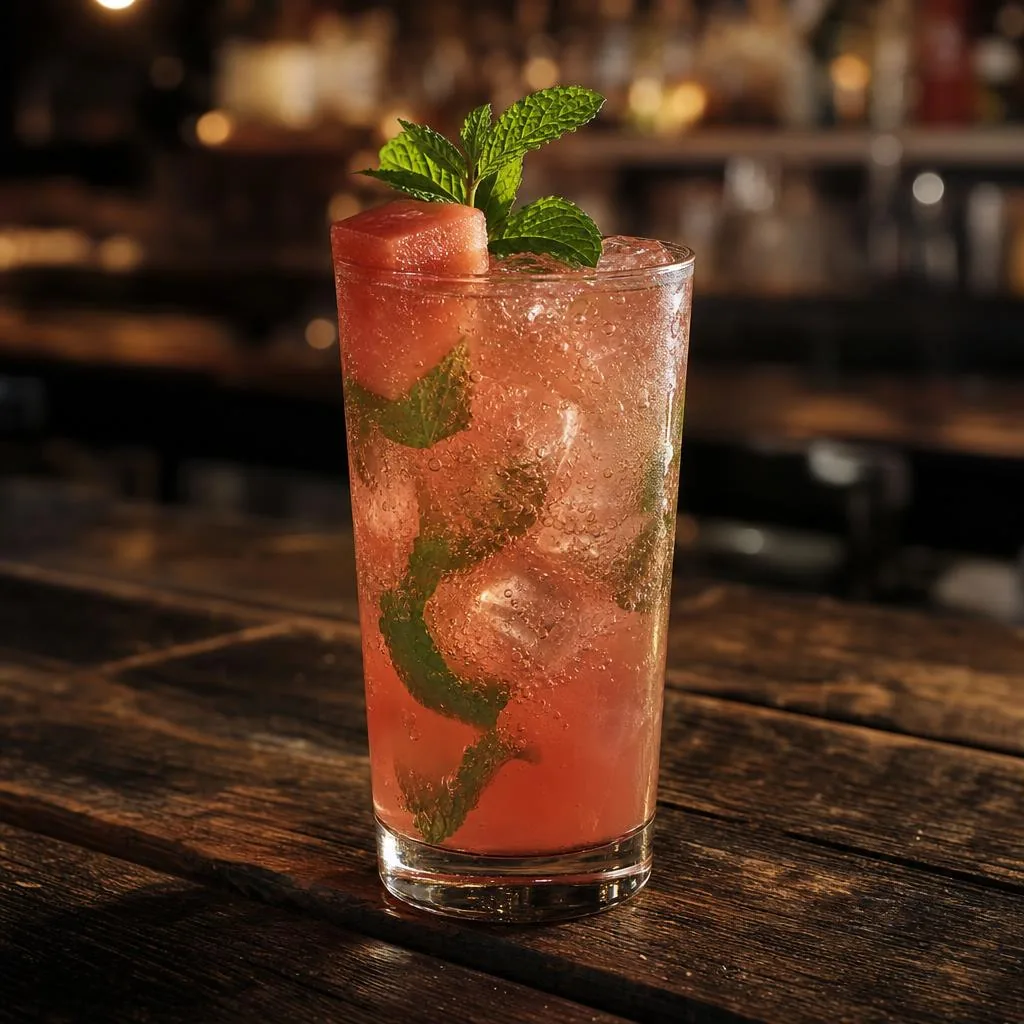
Watermelon Mojito uses mint syrup and Watermelon Re’al rather than relying on muddled mint and fresh fruit for its measured flavor.
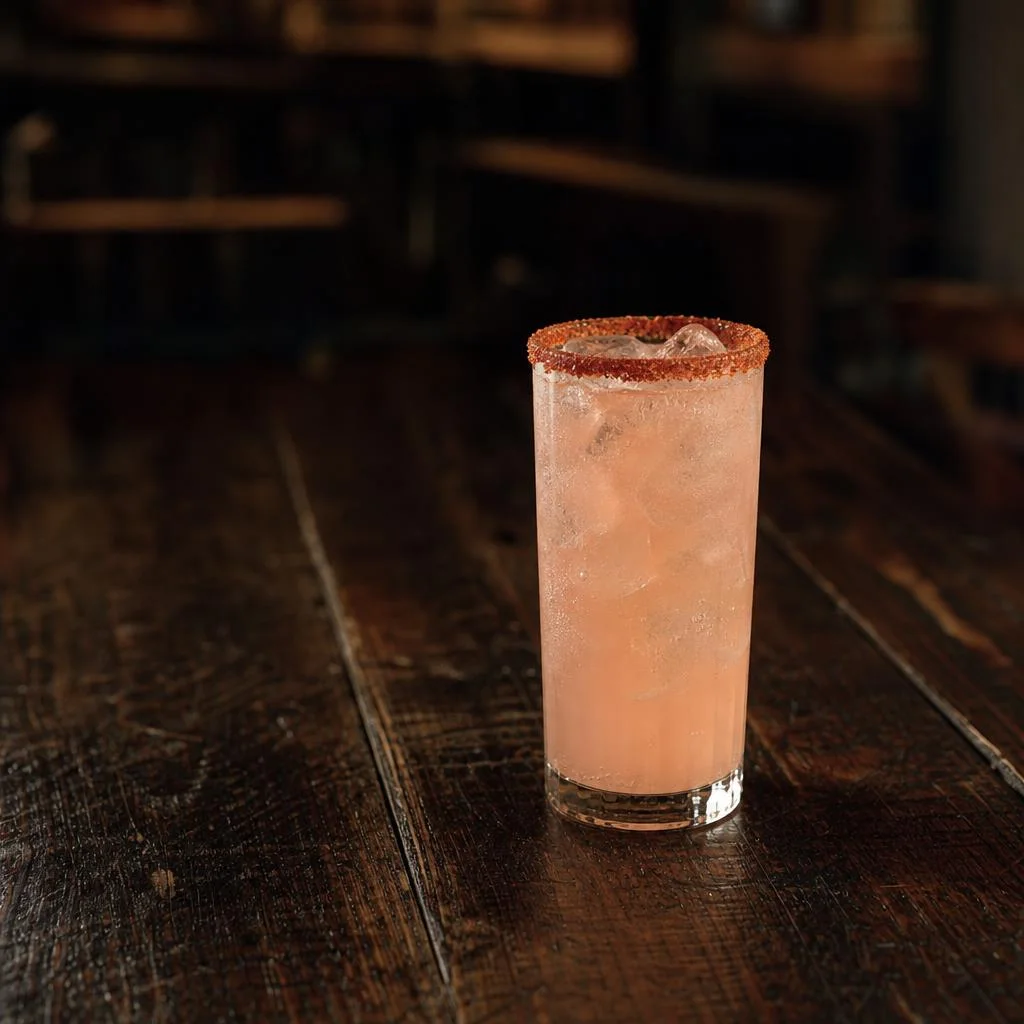
Paloma
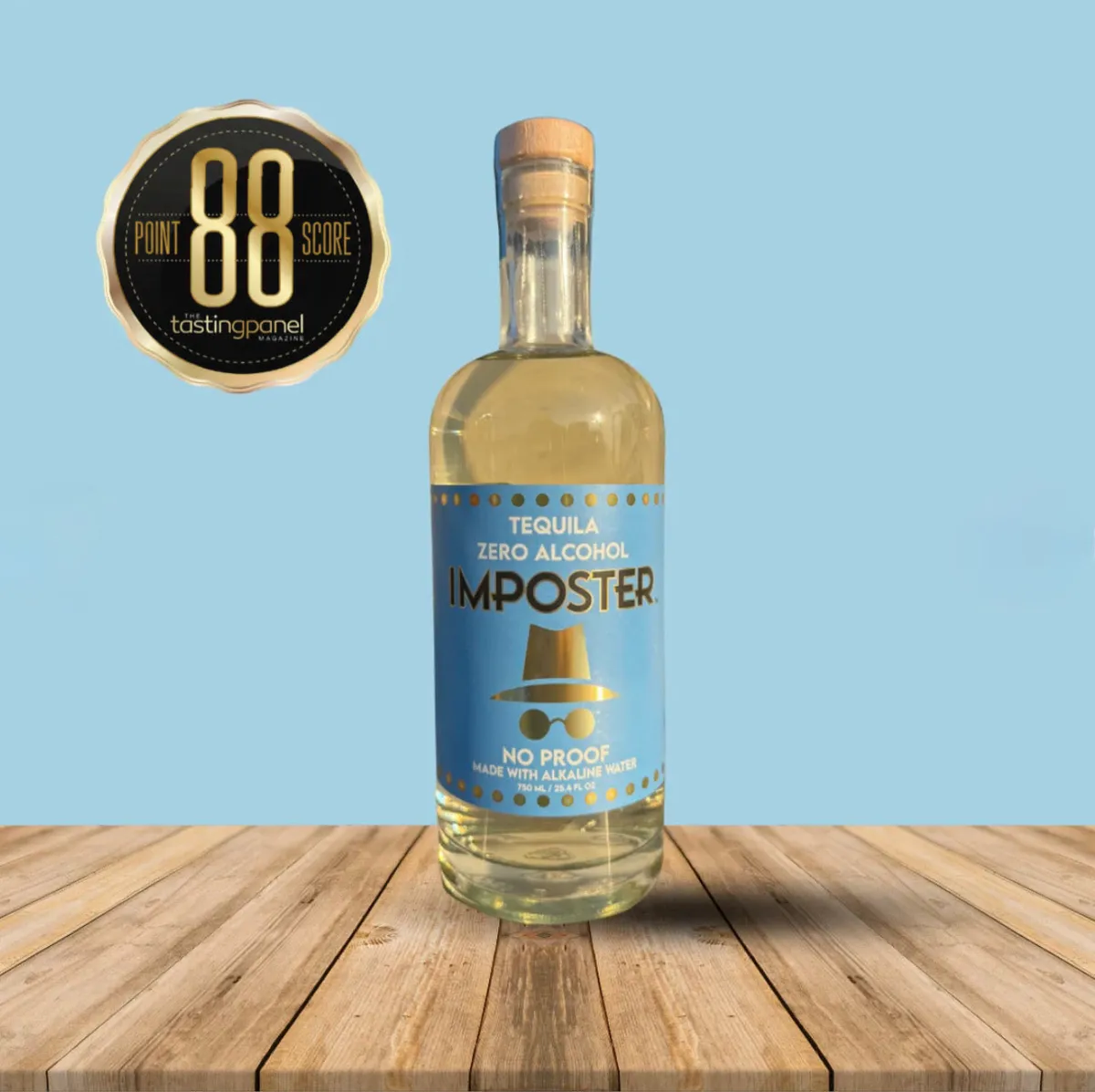
Paloma gives grapefruit soda the finishing role in a Tequila-inspired highball.
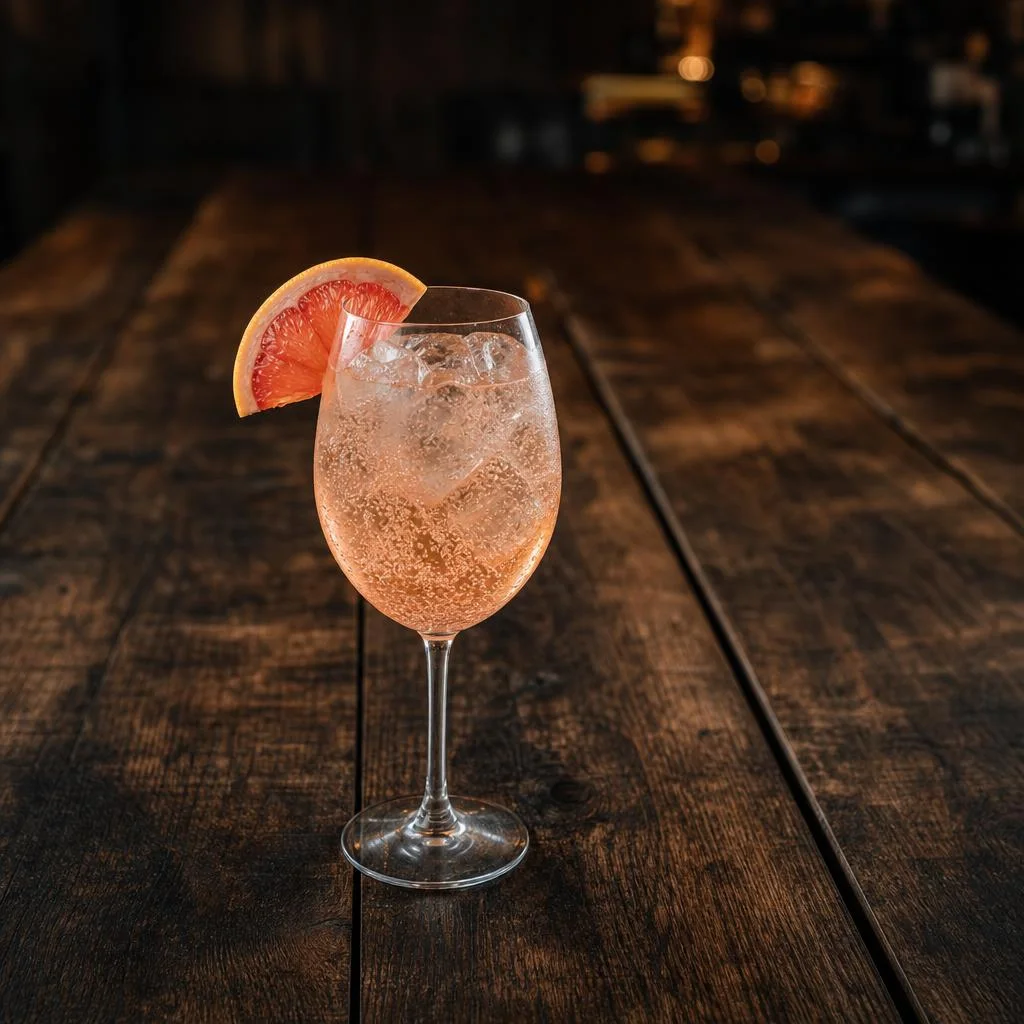
American Spritz
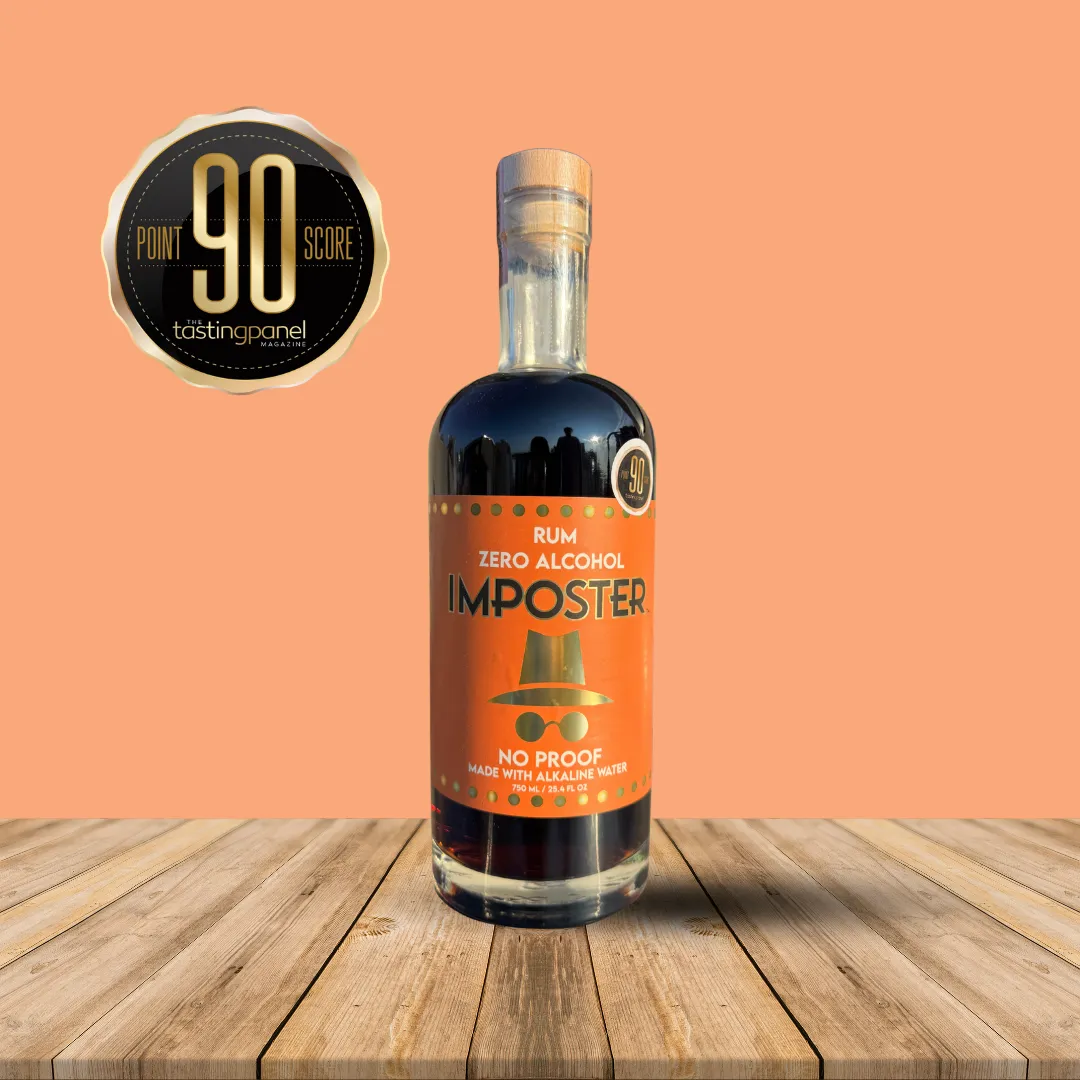
American Spritz is the simplest grapefruit-and-Rum combination in the supplied collection: four ounces of sparkling grapefruit and two ounces of IMPOSTER Rum.
Keep reading
A menu with a reason
Non-Alcoholic Cocktails for a Party
Plan a party with a useful zero-proof drinks menu: choose contrasting recipes, prepare mixers, finish sparkling serves, and shop the IMPOSTER bases.
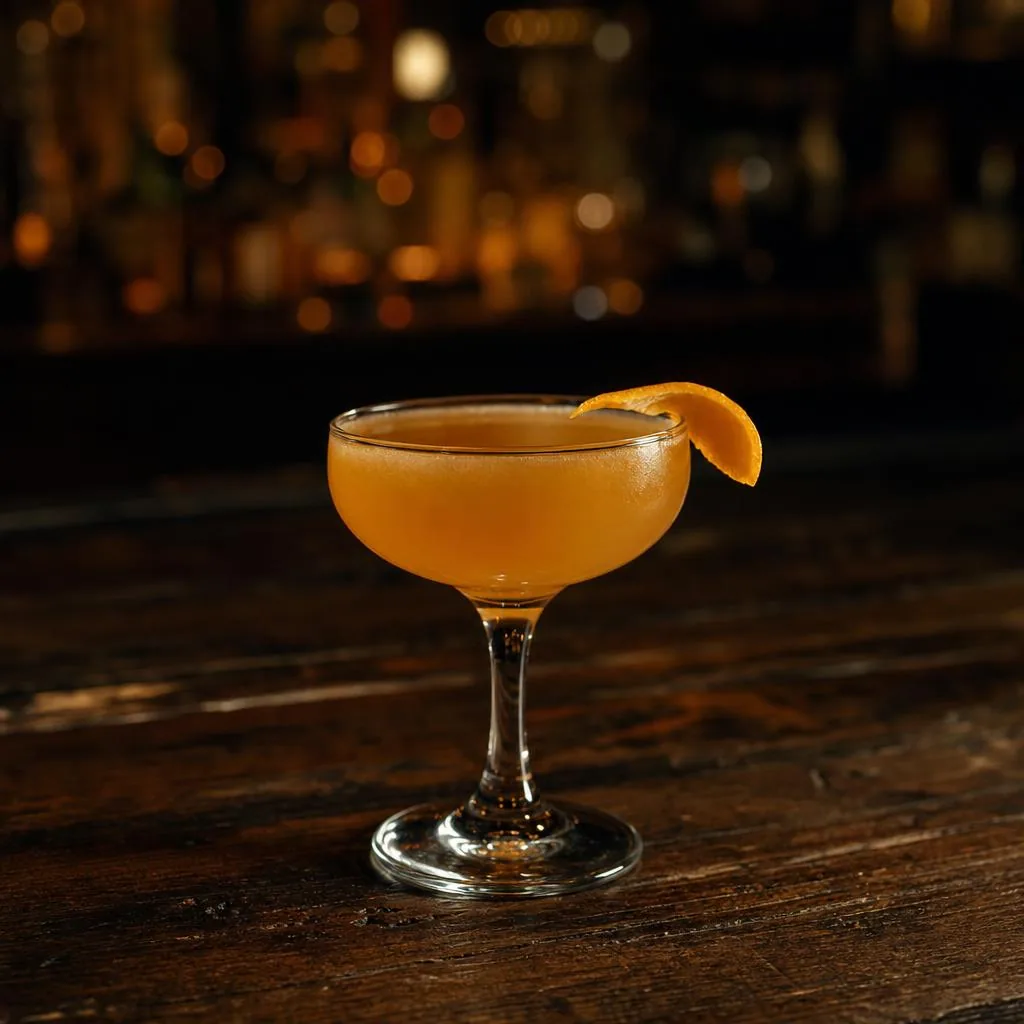
A menu with a reason
Zero-Proof Cocktails for Dinner Parties
Curate a dinner-party zero-proof menu with a botanical welcome drink, a citrus serve, and a whiskey-inspired option. Find recipes and IMPOSTER bottles.
The IMPOSTER Journal
How to Build a Zero-Proof Home Bar
Build a useful zero-proof home bar around the cocktails you enjoy: choose a base, a few mixers, practical tools, glassware, ice, and garnishes.